
2026 Conference Digest, Part 2
2 June 2026, Assembly Rooms, Edinburgh
Newsletter sent on 19 June 2026
Welcome back. If you missed Part 1, it covered Lord McConnell's opening keynote, Alex Cole-Hamilton's address, and our energy and economy panels. Here we pick up with the afternoon sessions: trust in politics, public service reform, Scotland's global standing, and the housing crisis.
Panel 3
Rebuilding Trust: A New Era in Scottish Political Discourse
Panellists: Mark Diffley (Director and Founder, Diffley Partnership), Patrick Harvie (Green Party MSP for Glasgow), Anamika Dwivedi (Scottish Property Federation), Calum Kerr (SNP MSP for Midlothian South, Tweeddale and Lauderdale). Chaired by Alistair Grant, Political Editor, The Scotsman.

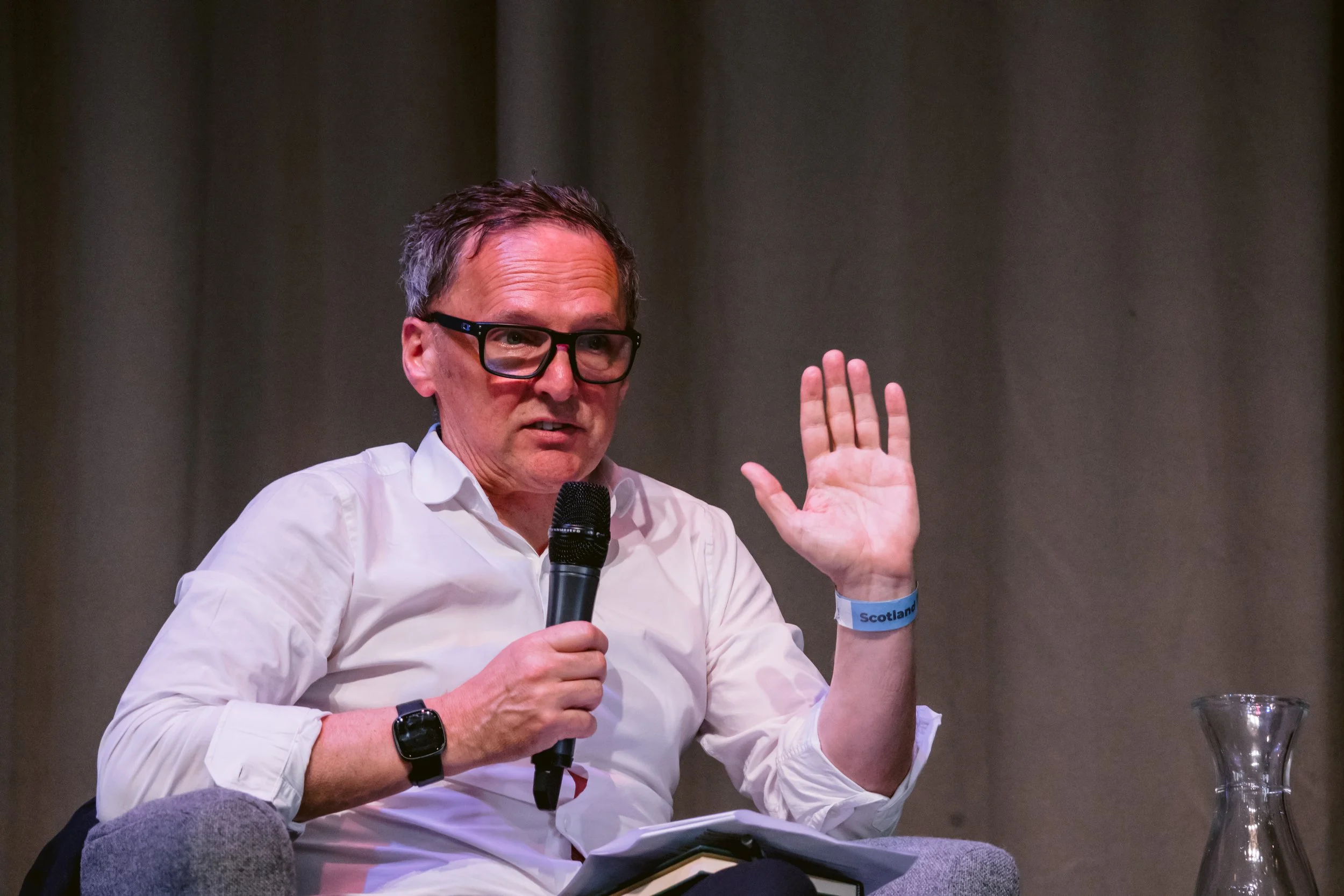
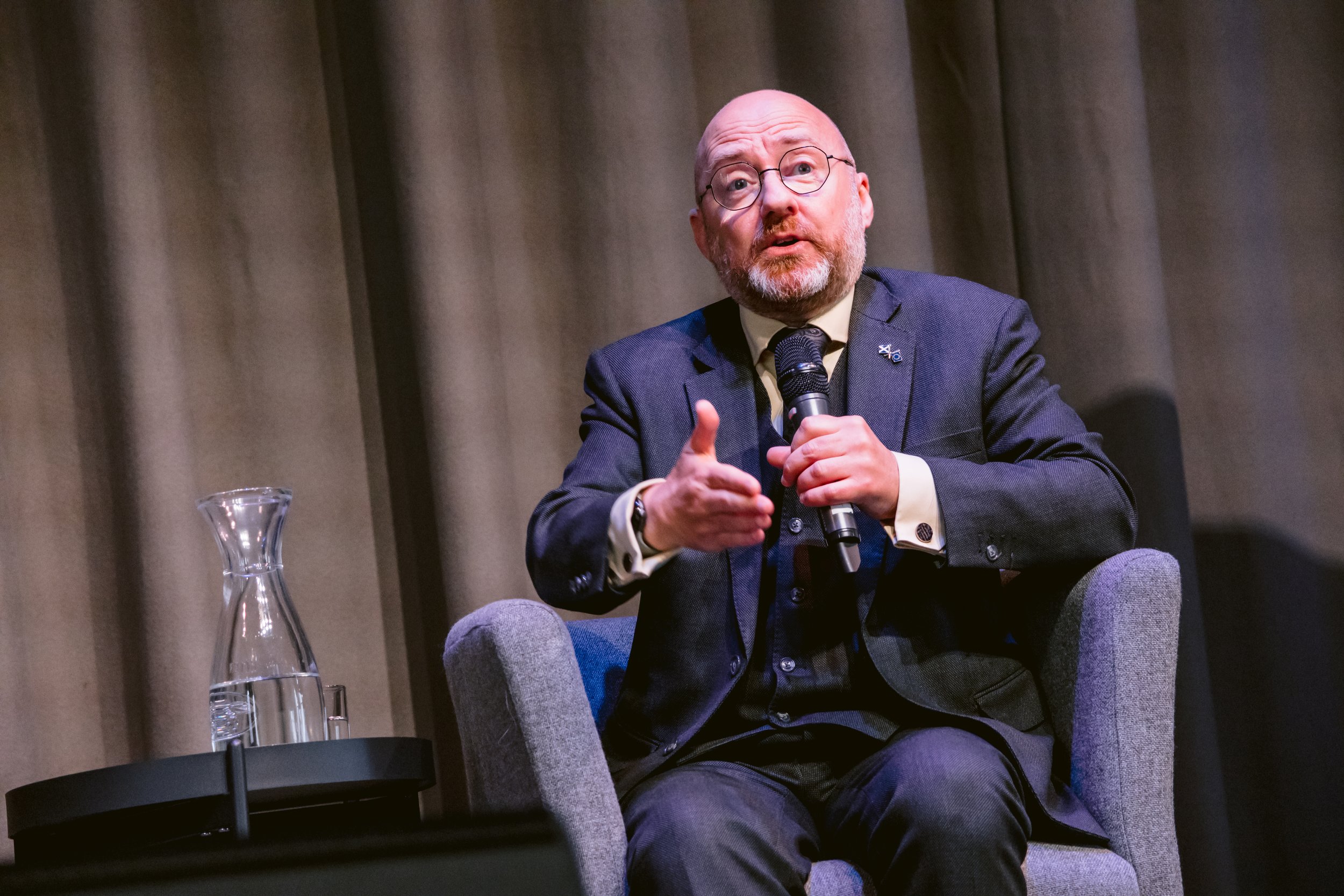
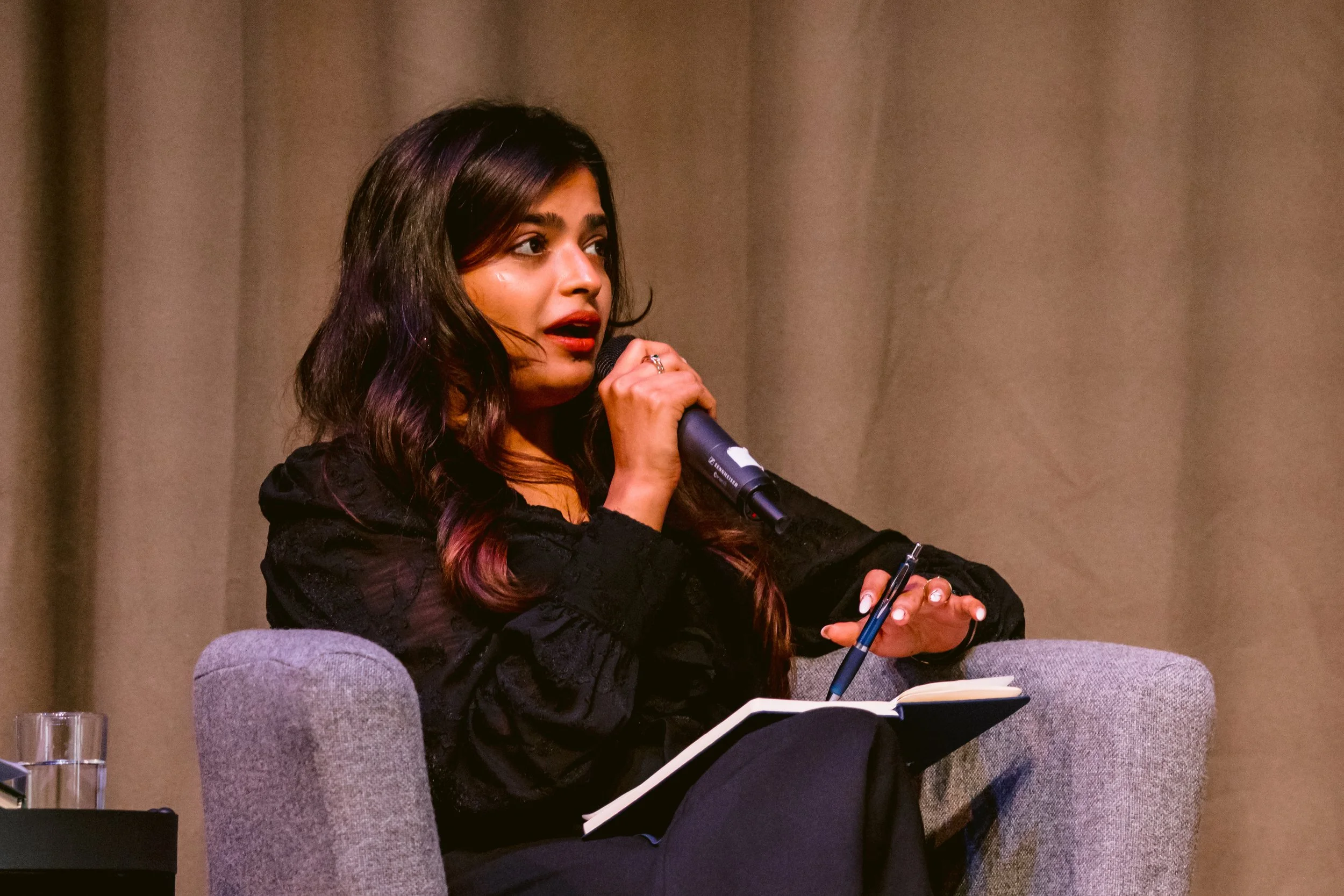
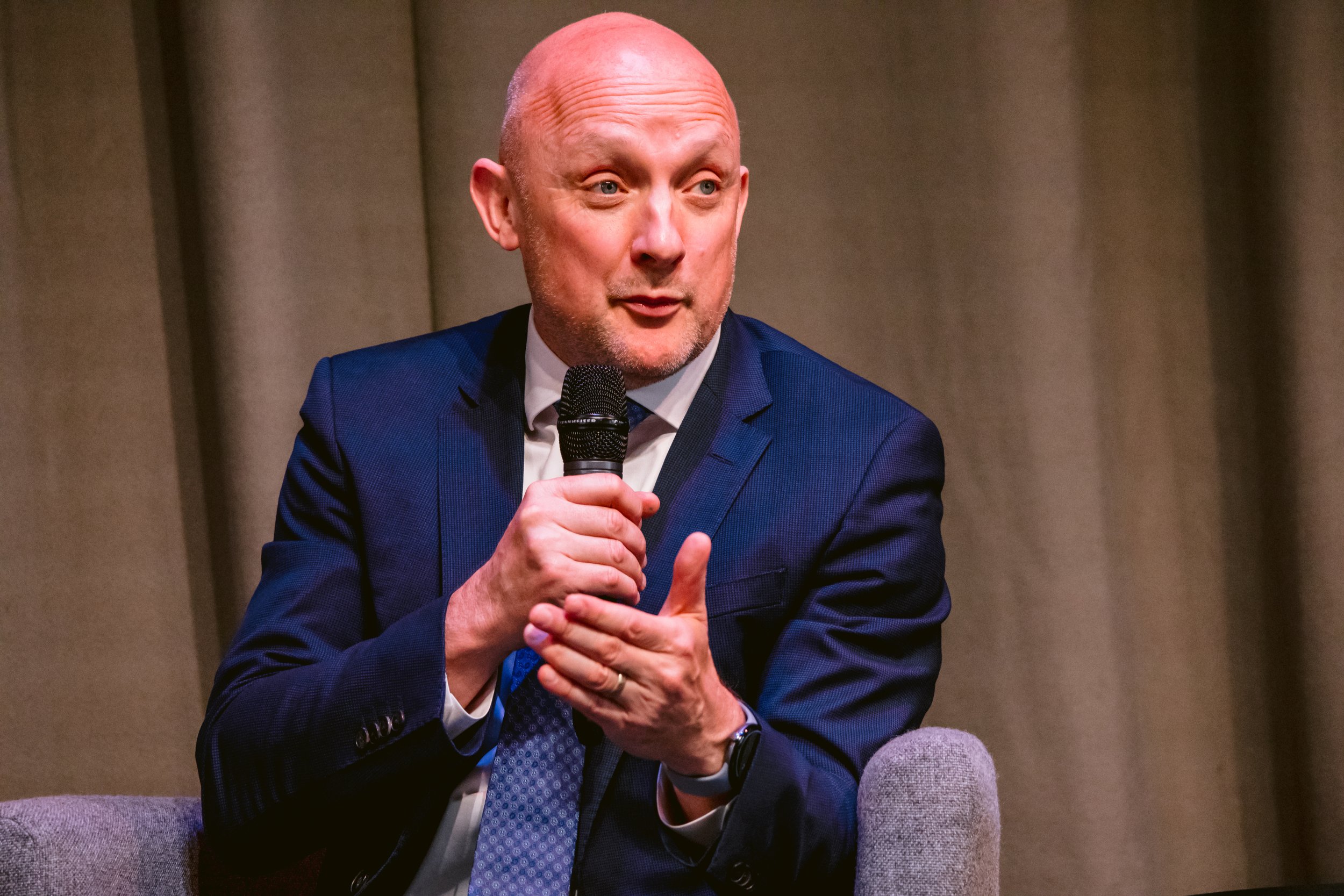
How do you rebuild trust when politics feels broken? The panel looked past the headlines to debate the roots of public disillusionment.
- Pollster Mark Diffley noted that the Peter Murrell situation did not impact the SNP vote as much as many expected, and pointed to Citizens' Assemblies as a vital tool for giving the public a genuine voice.
- Calum Kerr MSP said trust is rebuilt through delivery and focus on local priorities, and acknowledged that politicians need to shift toward continuous, permanent conversations with the public, not just door-knocking at election time.
- Patrick Harvie warned that the public is "swimming in propaganda" and social media disinformation, particularly around climate change and immigration, and called for leadership that is less managerial and far more inspiring.
- Anamika Dwivedi, speaking from outside the Holyrood bubble, argued that trust breaks down when big promises are never delivered, and that decision-makers need to get out and ask people directly what they need.
Keynote
Ivan McKee MSP
Cabinet Secretary for Public Service Reform
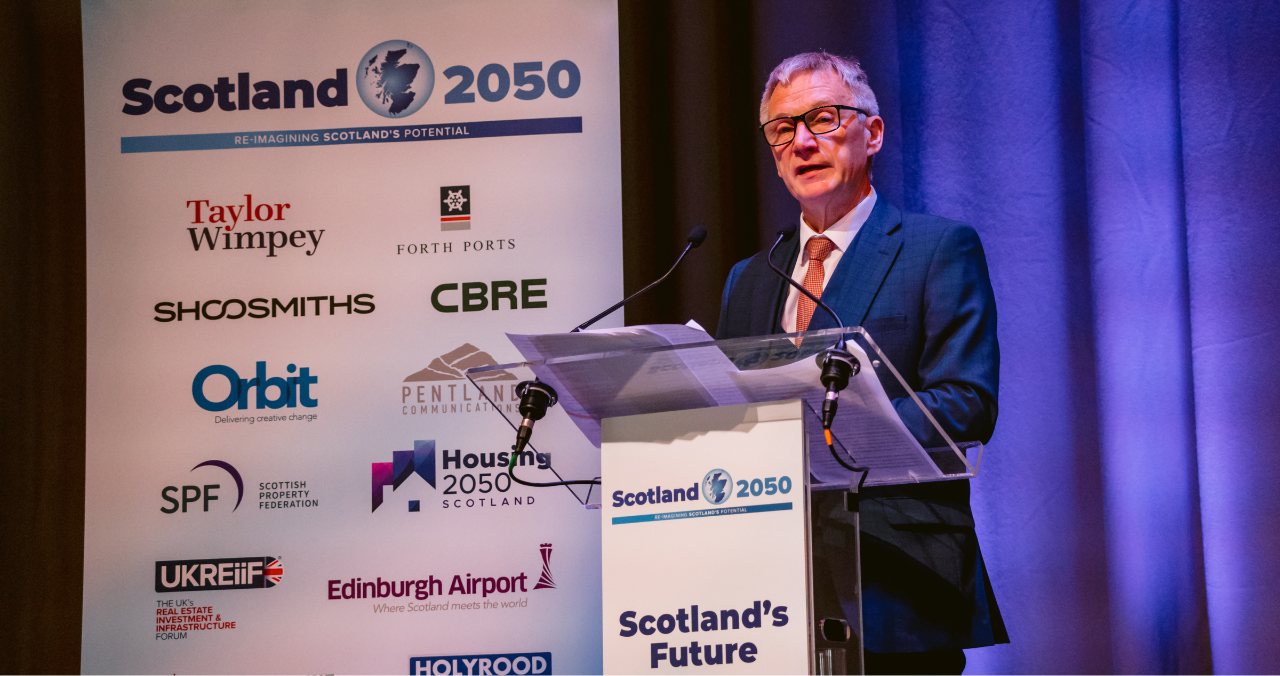
Ivan McKee delivered a keynote on the future of Scotland's public sector, setting out the financial reality clearly: the Scottish Government spends over £60 billion a year and needs to find £1.5 billion in savings within this Parliament.
"Public service reform is not a single event, it is a process."
He called for an end to duplication (where citizens interact separately with multiple organisations covering the same ground), and for better use of data and a modernised National Performance Framework. On AI and technology, he urged a practical approach, pointing to the NHS app as a model while cautioning against getting too carried away with the hype. His closing message: reform must be driven by the workforce and the community, not just handed down from the top.
Panel 4
Navigating Change: Scotland's Place in a Global Landscape
Panellists: Kathryn Porter (U.S. Consul General in Edinburgh), Gary Maclean (Scotland's first National Chef), Paul Sweeney MSP (Scottish Labour Party), Councillor Lezley Marion Cameron (Depute Lord Provost of Edinburgh), Carol Mochan MSP (Scottish Labour Party). Chaired by Alistair Grant, Political Editor, The Scotsman.

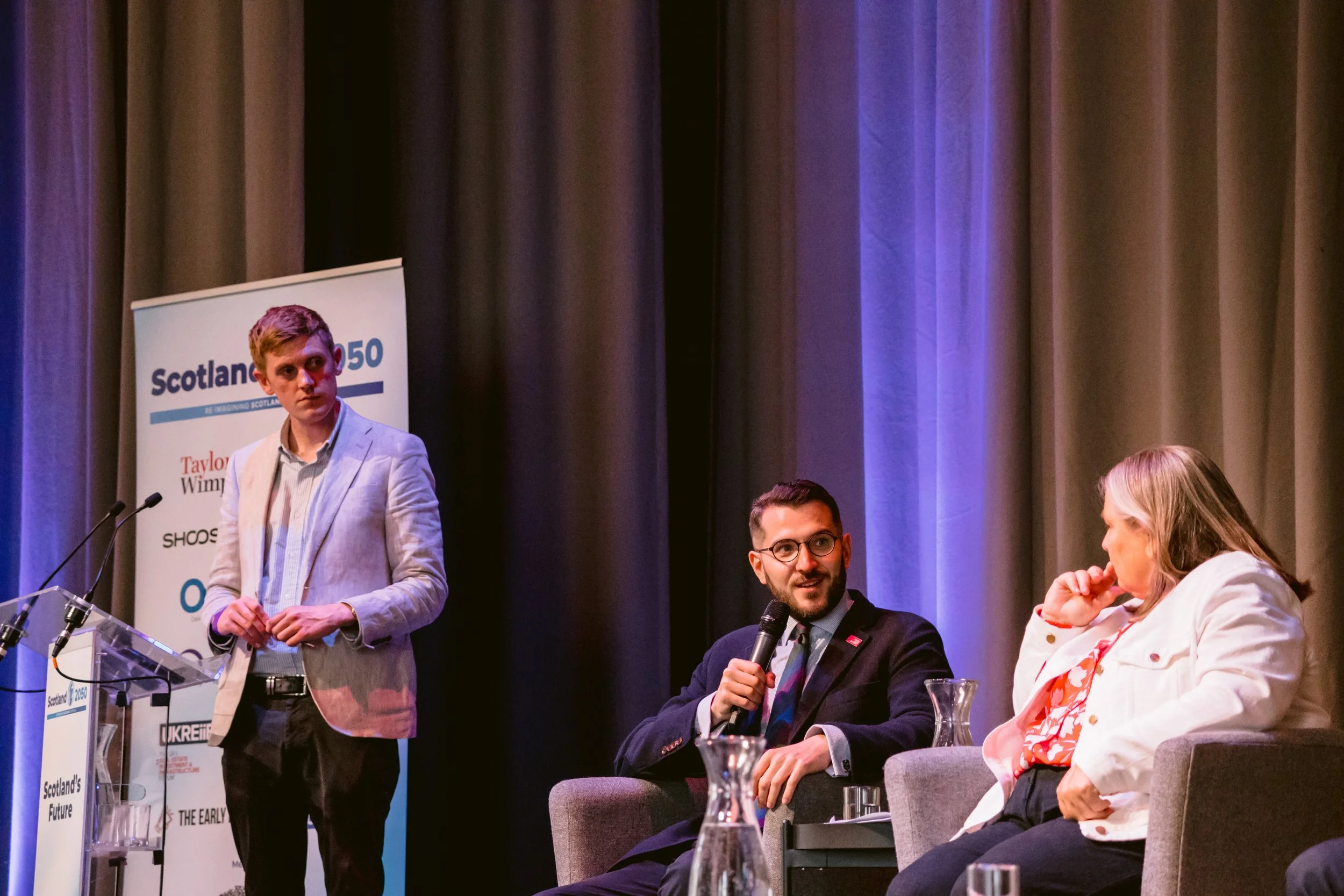
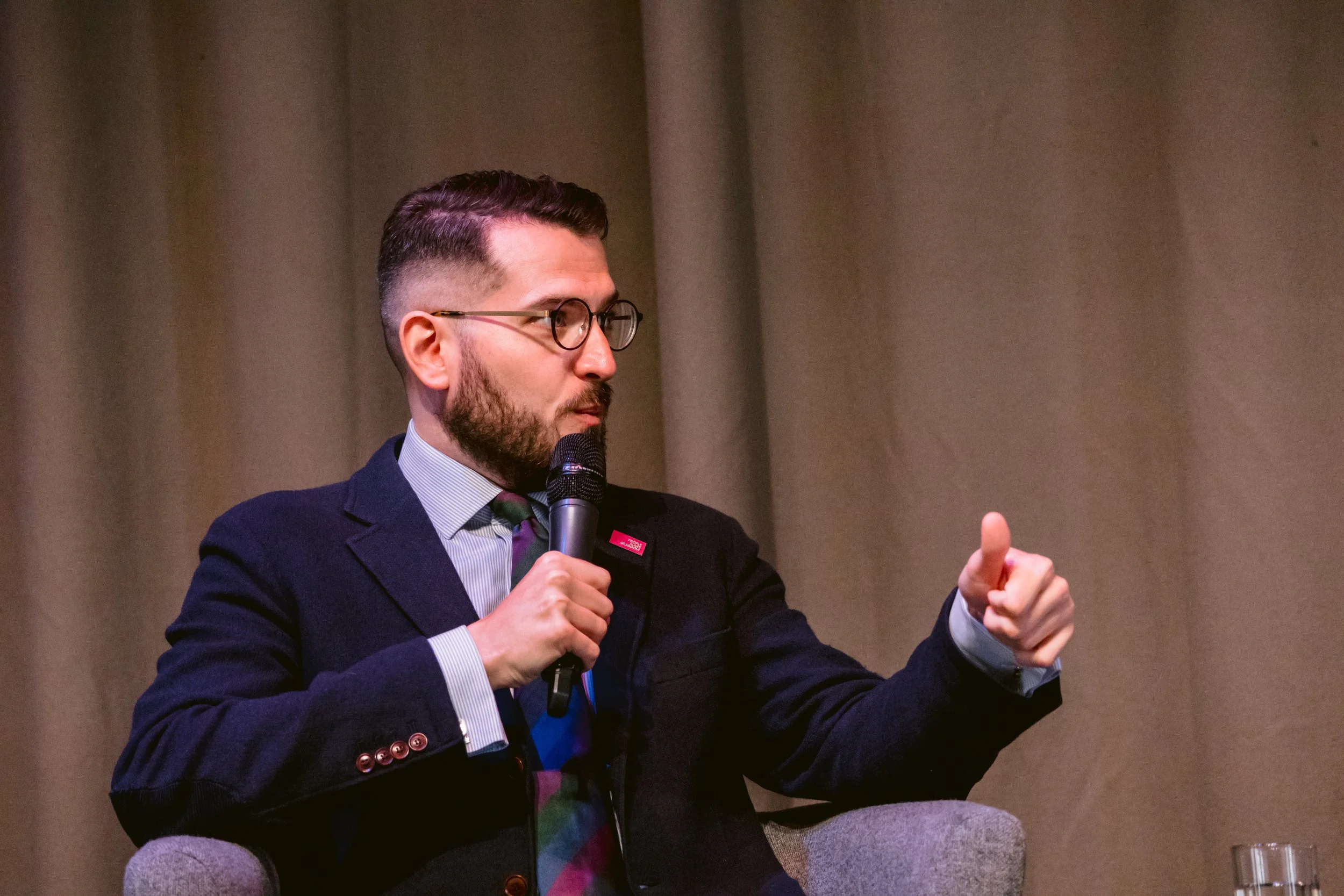
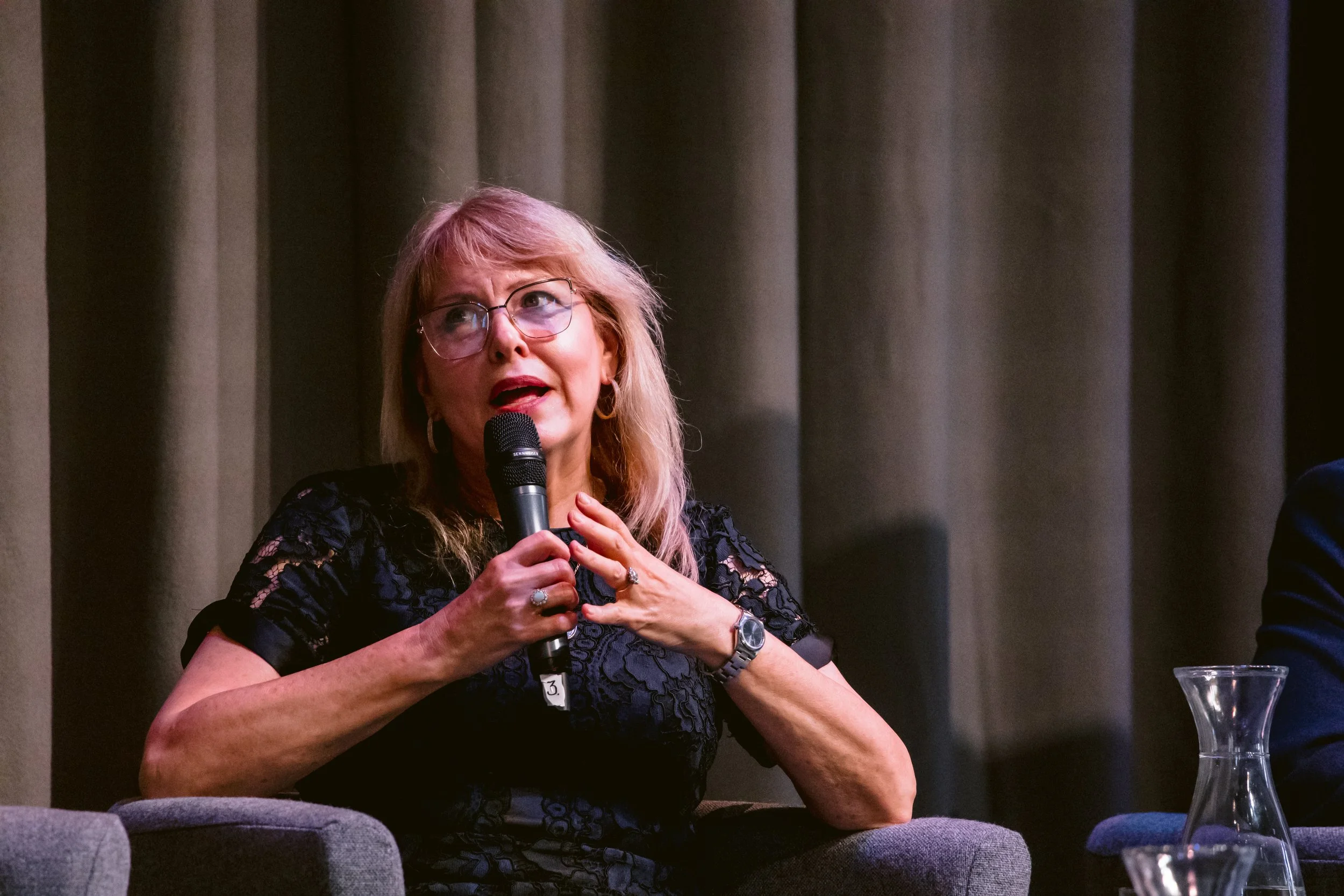
Kathryn Porter opened by stating that the Scotland brand has never been stronger in the United States, with 5.3 million Americans claiming Scottish heritage and growing partnerships across the space sector, North Sea energy, robotics, and cybersecurity.
- Gary Maclean joined the discussion on Scotland's global reputation in food and tourism.
- Carol Mochan MSP raised the point that attracting young families to Scotland's regions requires the basics to be in place: accessible health services, playgroups, and functioning local infrastructure.
- Councillor Lezley Marion Cameron highlighted a paradox in Edinburgh: the city's global popularity has driven accommodation costs so high that many residents are stuck in temporary housing. She also noted that while the new tourism levy offers a fresh income stream, essential local services such as sport are at risk of being overlooked.
The panel's conclusion: Scotland's global standing is a major asset, but "place in the world" starts with "place at home."
Panel 5
Homes of Tomorrow: Sustainable Solutions for Scotland's Housing Crisis
Panellists: Kevin Murphy (Director of Planning, Homes for Scotland), Councillor Ruairi Kelly (SNP City Convener for Housing, Development, Built Heritage and Land Use, Glasgow City Council), Alex Orr (Managing Director, Orbit Communications), Barry McKeown (Head of Shoosmiths Glasgow Office). Chaired by Andrew Roberts, Strategic Land Regional Director for Scotland, Taylor Wimpey. Sponsored by Orbit Communications and Taylor Wimpey.
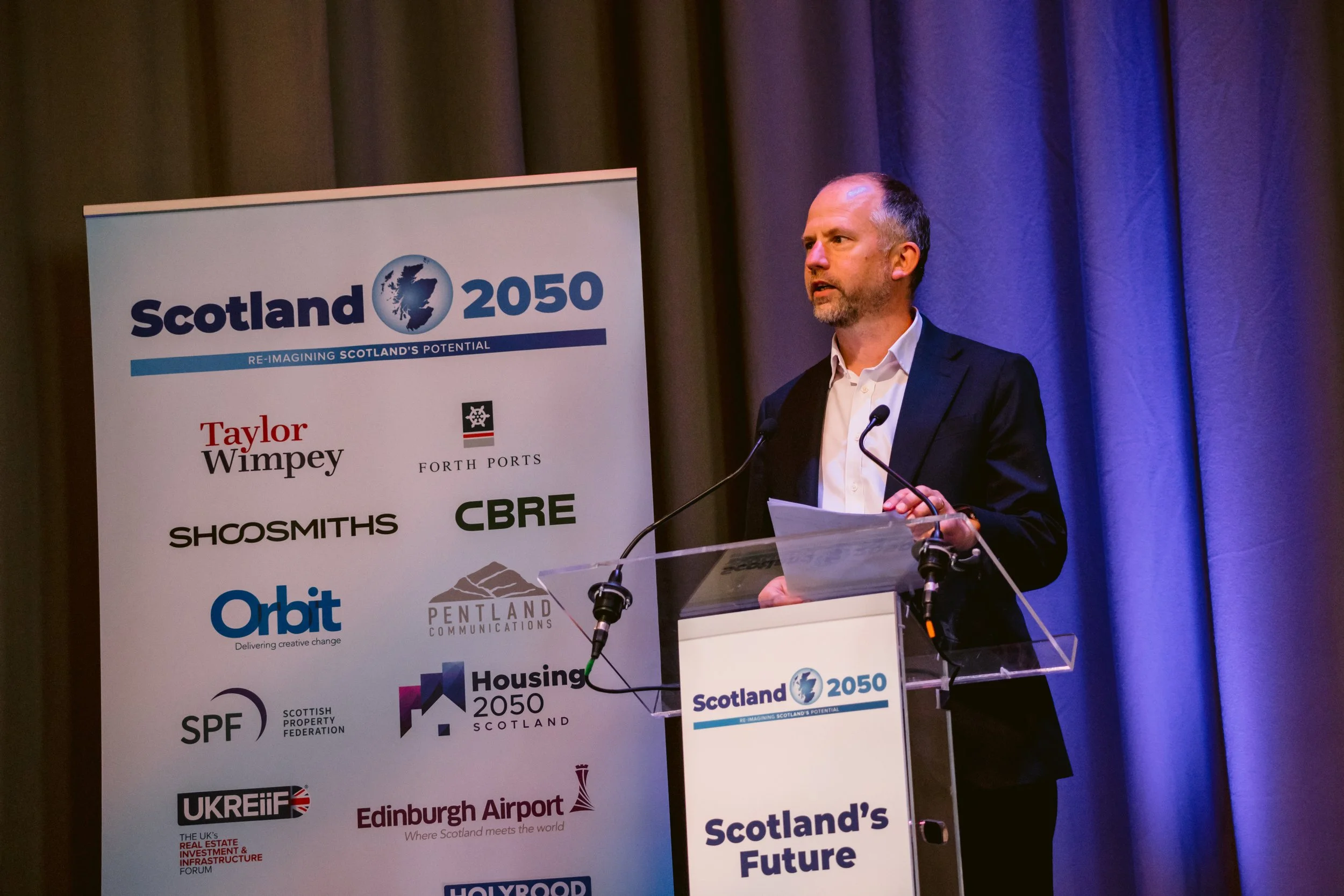
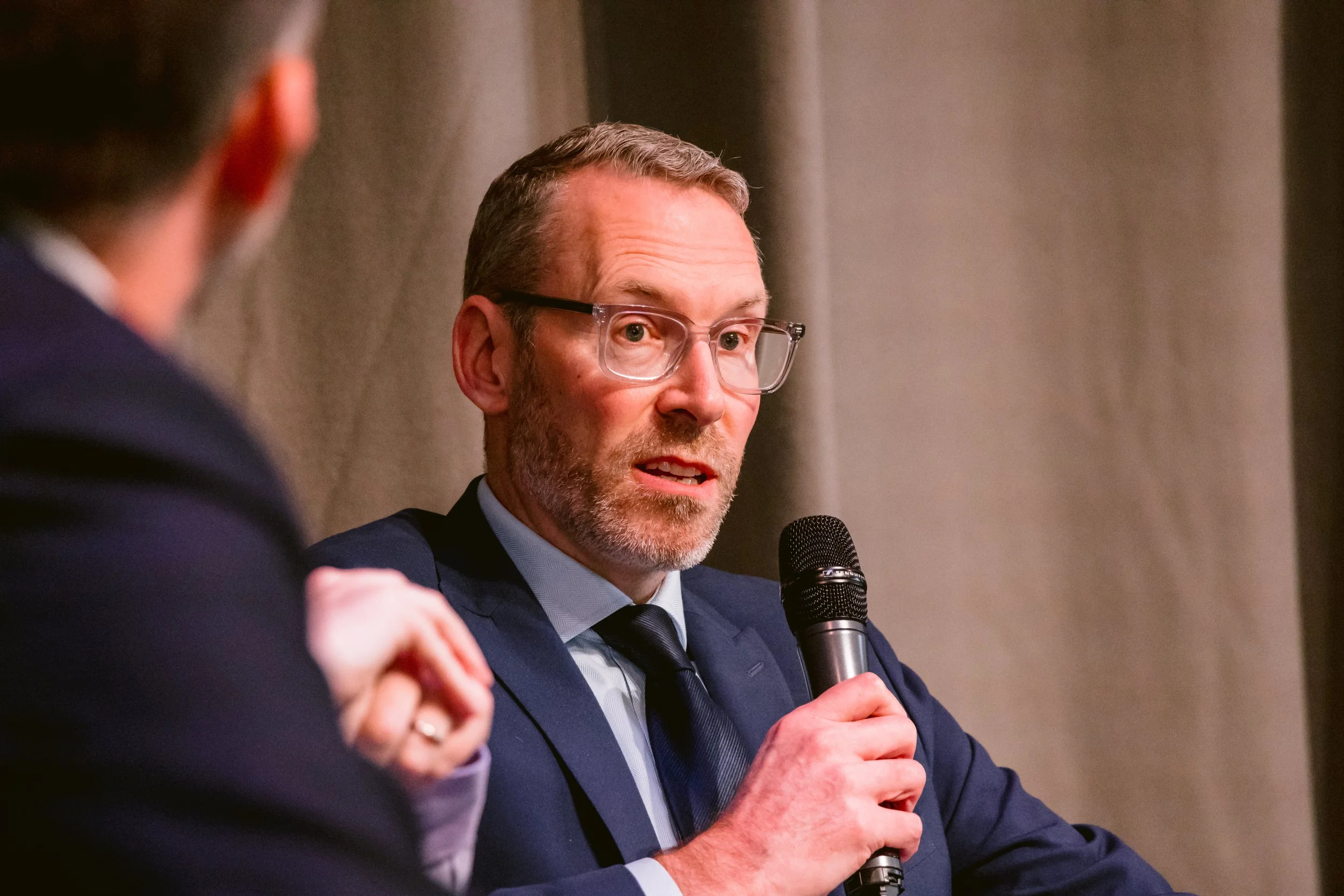
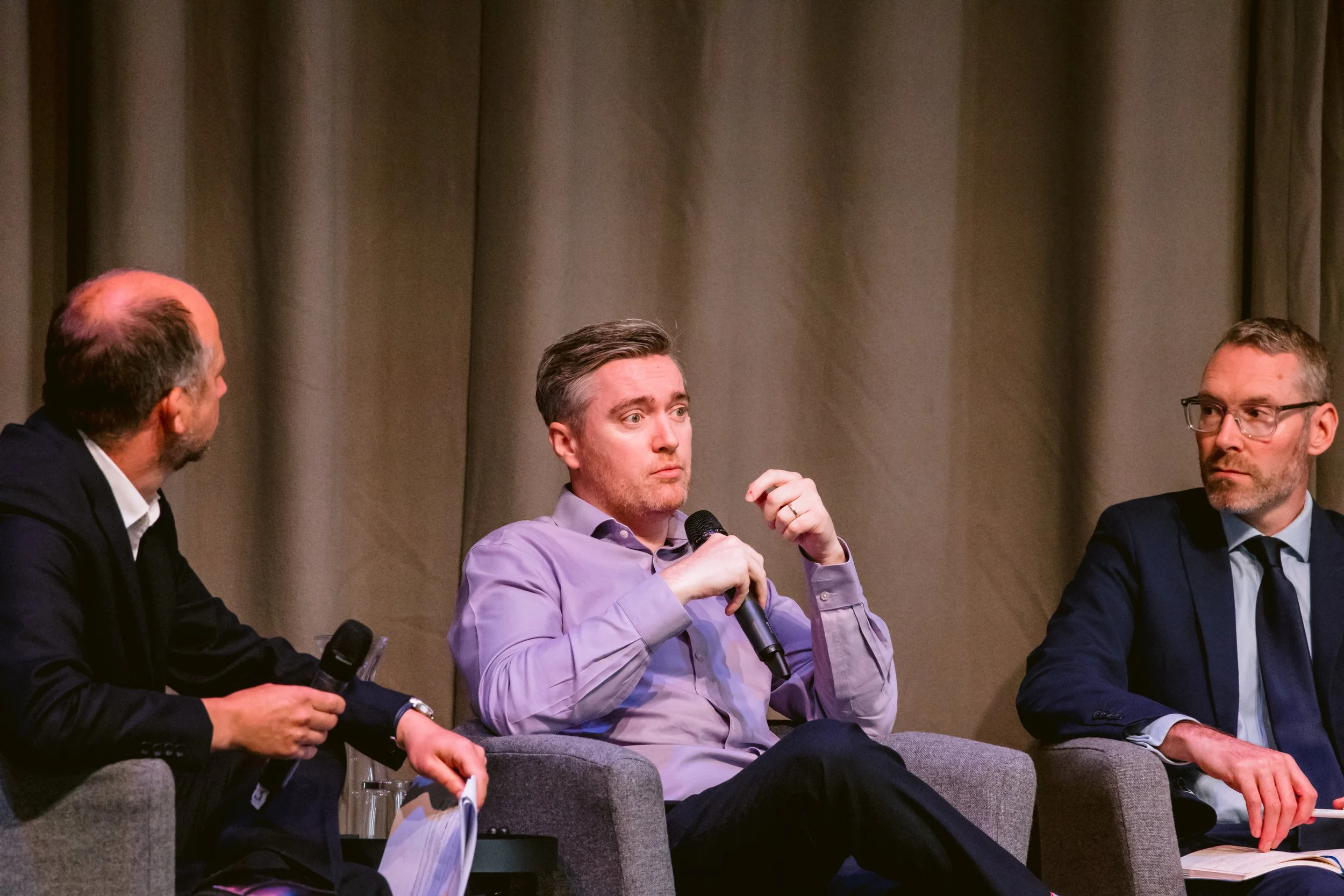
Chair Andrew Roberts set the tone from the outset: "Housing is not just a policy area, or a sector, or a line in a budget. Housing is the foundation of opportunity underpinning health, wellbeing and economic growth."
- Kevin Murphy outlined the scale of the problem: soaring construction costs, the loss of SME builders, and a standard 16-week planning process that actually takes 44 weeks in practice.
- Councillor Ruairi Kelly pointed to a £50 million overspend on temporary accommodation alongside high homelessness figures, and called for a solid cross-party agreement so that policies stop shifting after every election.
- Barry McKeown was blunt: "We need to start again," with a reset coming directly from central government, adding that housing is a basic human right.
- Alex Orr argued housing must be treated like renewable energy, as an essential delivery priority, and called for the government to enforce strict housing numbers.
The panel closed with a final call to action from Alex Orr:
"We need to treat the housing emergency like we did with Covid."
The Conversation Continues
If you have something to say, a contribution to make, or a view on topics covered (or not covered), Barrie would very much like to hear from you.
Get in touch: hello@scotland-2050.co.uk
With thanks to our sponsors
An independent, cross-party event like Scotland 2050 is only possible because of a hard-working team of volunteers and our generous sponsors.





The Scotland 2050 Team