
2026 Conference Digest, Part 1
2 June 2026, Assembly Rooms, Edinburgh
Newsletter sent on 16 June 2026
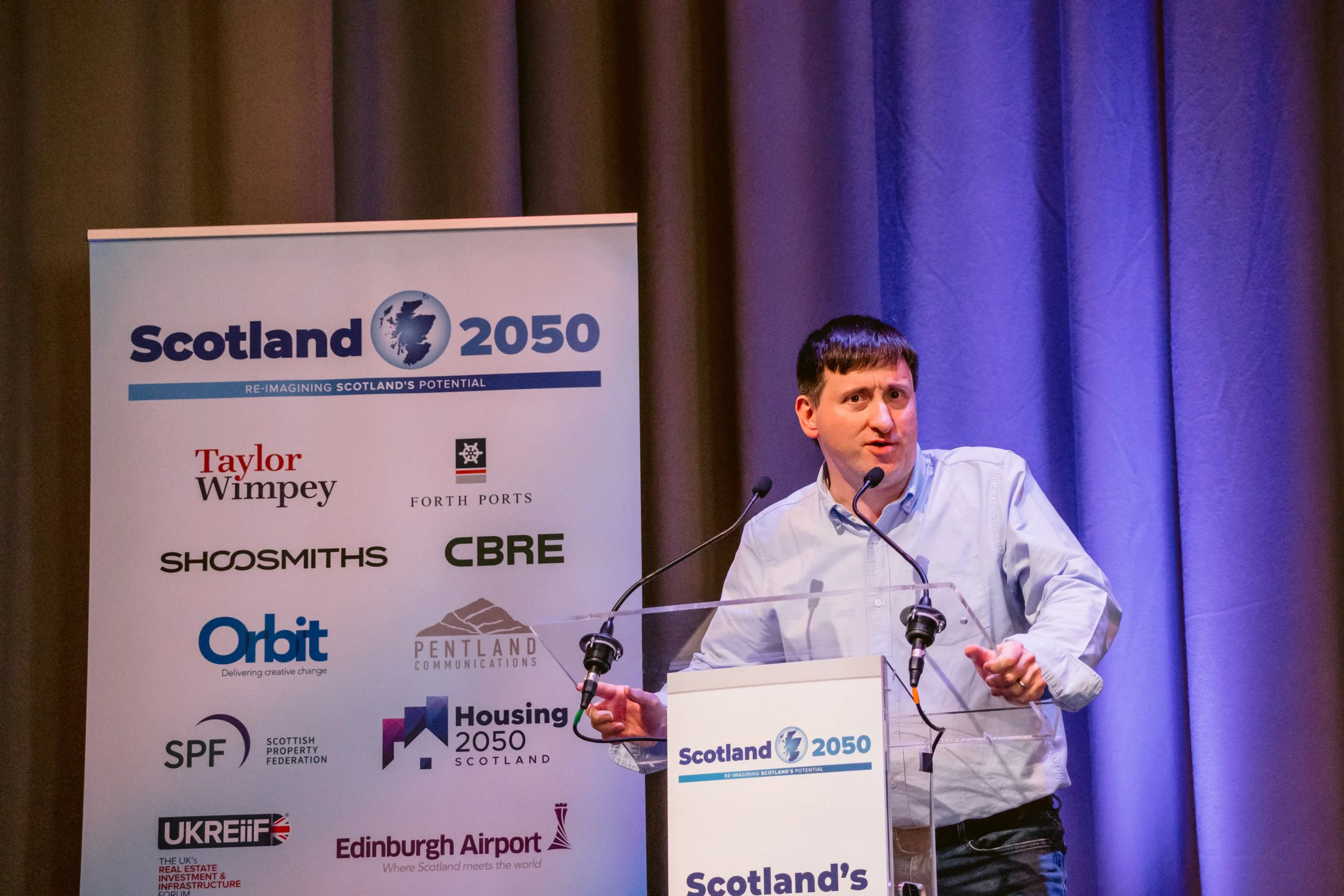
Two weeks ago, we held the second Scotland 2050 conference in Edinburgh: a full day of discussion, insight and knowledge sharing about a range of topics affecting Scotland today. From energy and the economy to trust in politics, people came from all over Scotland with a shared purpose to contribute to a robust discussion about Scotland's future.
At my question-and-answer session, I appreciated hearing the diverse perspectives from audience members, which ranged from Scotland's environment, unpaid carers and supporting Scotland's business community, to how we get more support for Scotland's arts and creative sector. It has certainly given me a lot to think about as we start to look ahead to Scotland 2050 for 2027. As always, any ideas, suggestions or comments are very welcome. Send me an email at hello@scotland-2050.co.uk.
What I took from this year's conference is that Scotland has ambition and passion for progressive change, and that by working together collectively and engaging with key decision-makers, that change will come about. But we all need to be part of that discussion and movement going forward.
Lastly, I want to thank everyone who came to this year's conference, and a big thank you to all our sponsors and supporters.
Barrie
Founder, Scotland 2050
Opening keynote
Lord Jack McConnell
First Minister of Scotland, 2001 to 2007. Chaired by Alistair Grant, The Scotsman.
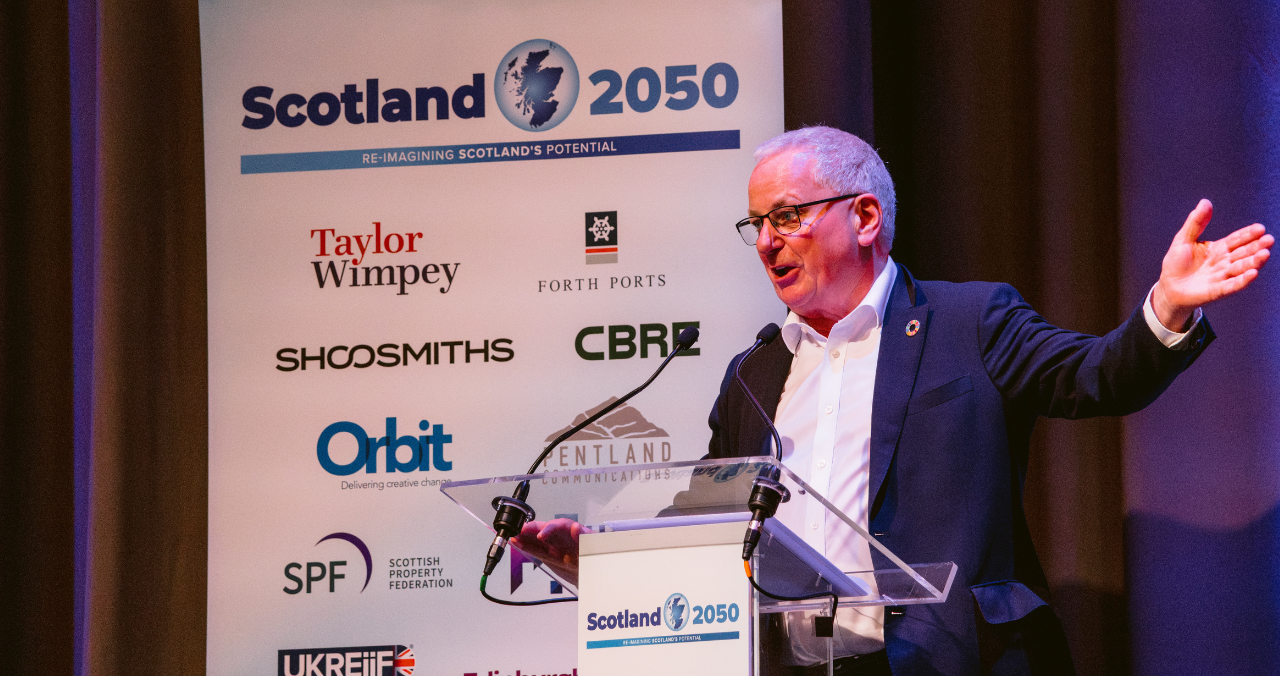
Lord McConnell opened with a frank assessment of where Scotland stands today, pointing to public mistrust rooted in a perceived double standard in public life. He cited specific delivery failures: higher education, the state of Edinburgh's streets, and Scottish islands left cut off for days at a time.
"What we have as a parliament is not what we set out to create."
But the message was not without hope. He recalled the smoking ban, legislation that worked because "everybody came together to make it happen", as a model for what is possible. His challenge to the room: set high aims, identify who needs to be involved, and take a few risks. Scotland has the talent.
Panel 1
Empowering Scotland: Energy and Connectivity
Panellists: Bill Esterson MP (Chair, Energy Security and Net Zero Committee), Stuart Wallace (CEO, Forth Ports), Geraint Evans (CEO, UK Major Ports), Gordon Dewar (CEO, Edinburgh Airport), Steven Stewart (Head of Scottish Planning and Environmental team, Shoosmiths). Chaired by Sarah Boyack, former MSP for Lothian. Sponsored by Forth Ports.

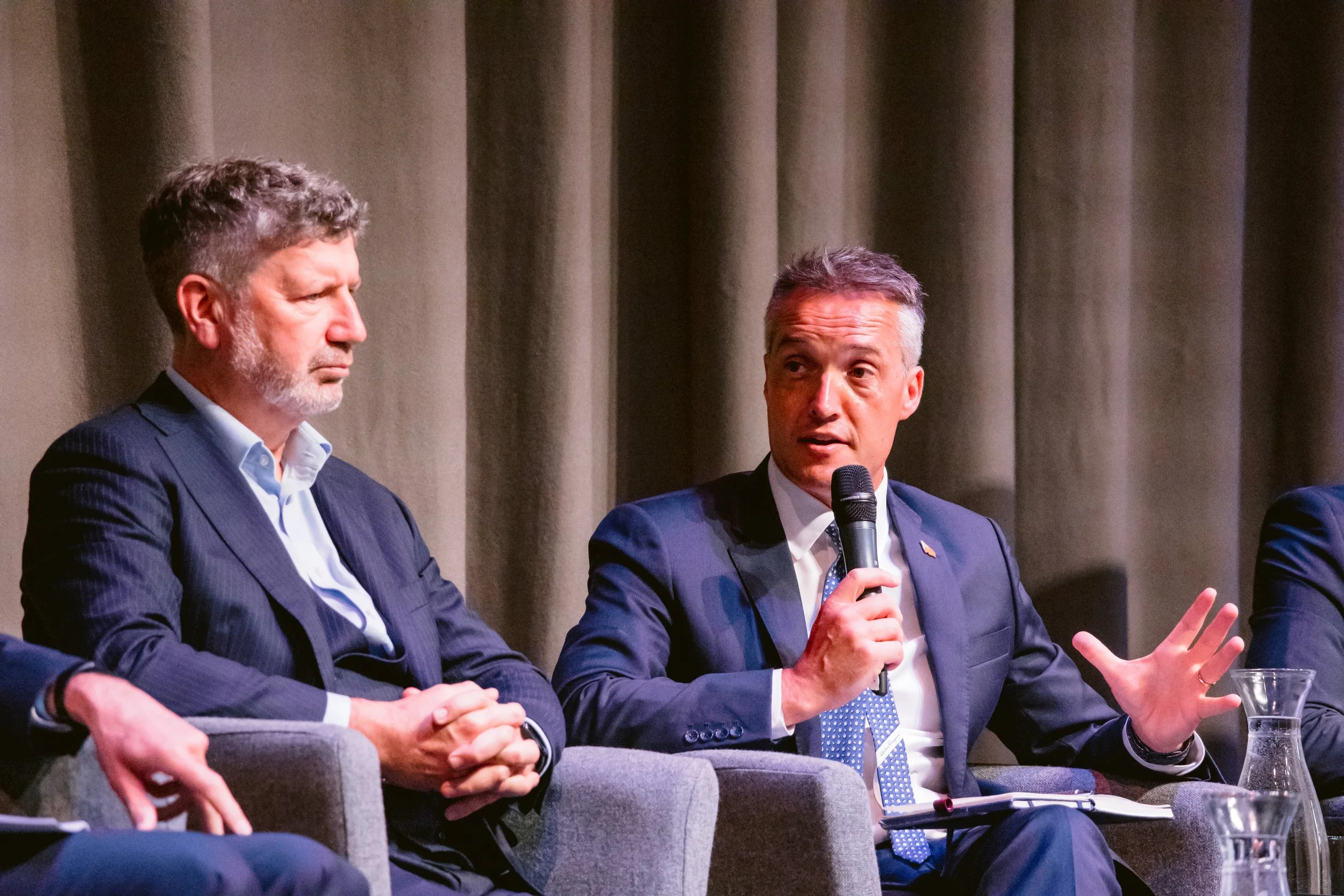
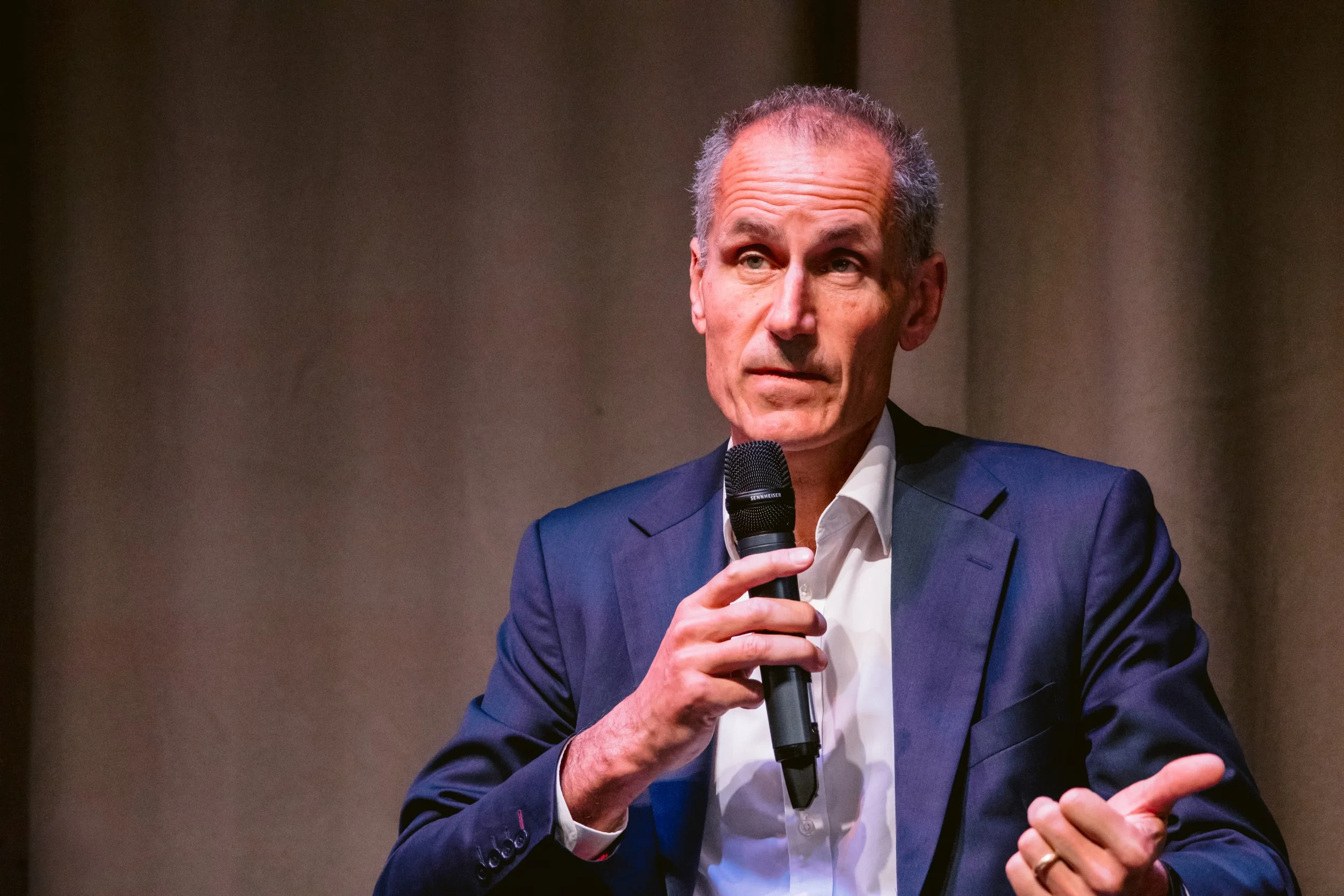
The panel opened with a striking proposal: Scotland should be receiving free electricity rather than letting surplus renewable energy go to waste. Key points included:
- Geraint Evans called for an end to the lack of ambition, pointing to countries that already treat infrastructure as the bedrock of a thriving economy.
- Gordon Dewar said Edinburgh Airport is being "hit" by tax and planning policies rather than supported, and that a proper growth strategy is needed.
- Steven Stewart warned investors in Scottish renewables will go elsewhere if consenting does not become easier.
- Bill Esterson MP argued for moving forward with the Jackdaw gas field for energy security during the transition, and called out the contrast with China, where factories go from "decision to opening" in months.
- There was a significant call from the panel for new nuclear in Scotland as a foundation for energy security.
The panel's consensus: ports must be at the heart of the renewables revolution, but that requires moving away from two-to-three-year political cycles and thinking in 25-year infrastructure cycles. Chair Sarah Boyack called for joined-up thinking, with all eyes on the final version of the Scottish Energy Plan.
Panel 2
Scotland's Future Economy
Panellists: Professor Anton Muscatelli (President, Royal Society of Edinburgh), Charandeep Singh (CEO, Scottish Chambers of Commerce), Lesley Smillie (Senior Partner and Government and Public Services Lead Scotland, Deloitte), Daniel Coleman (Economist and Managing Director, Forth Advisory). Chaired by Andrew Foyle, Head of Dispute Resolution, Shoosmiths.

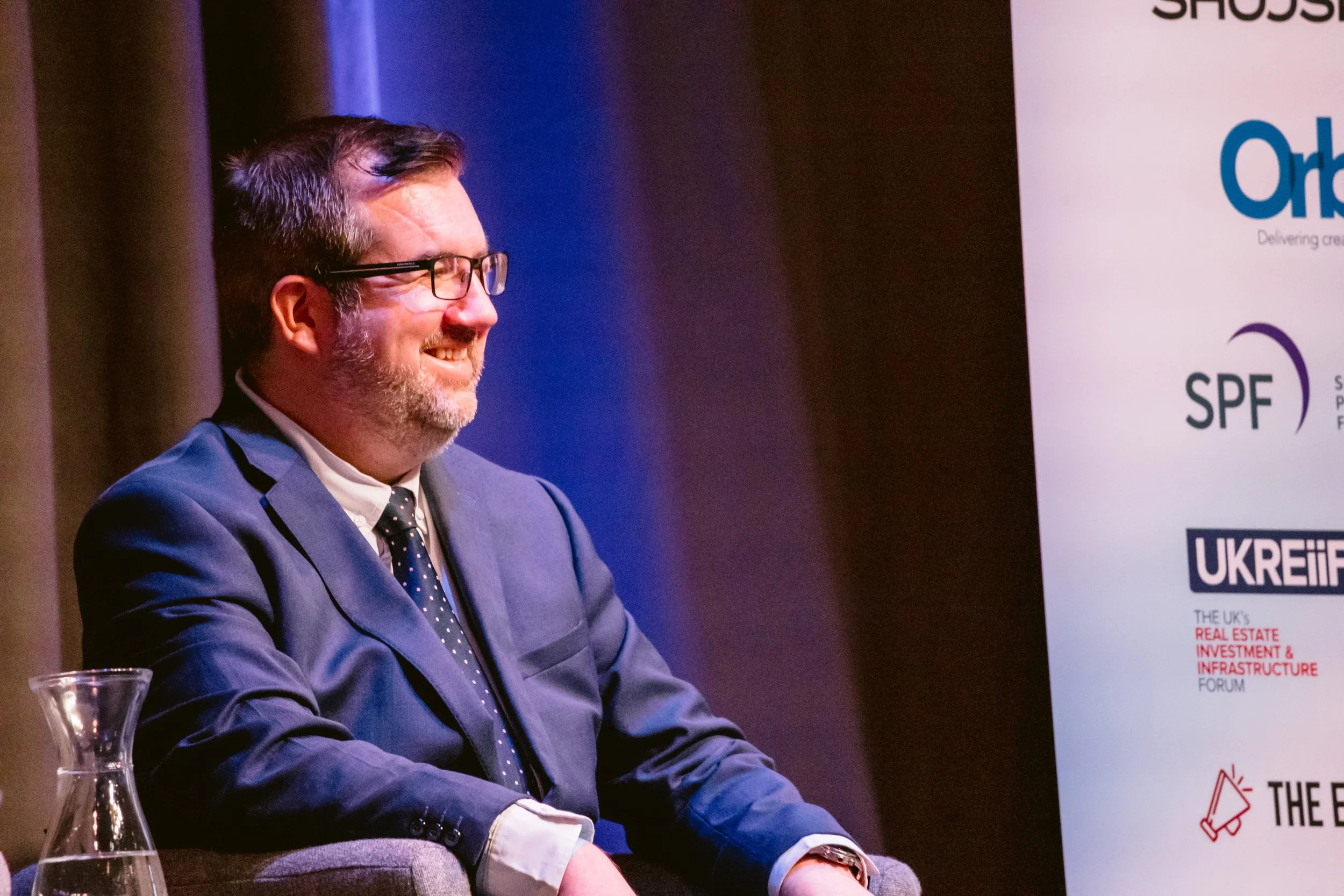
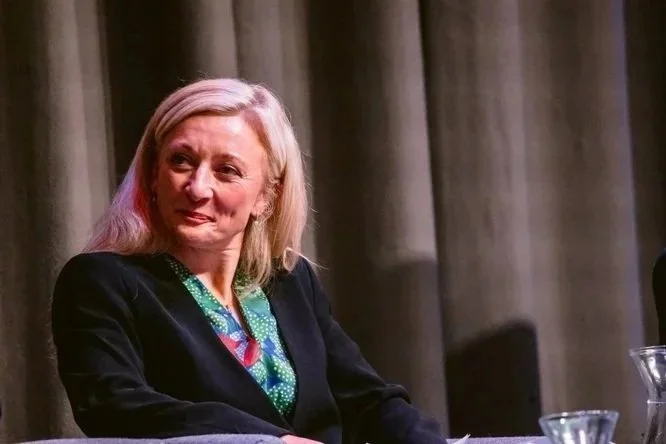
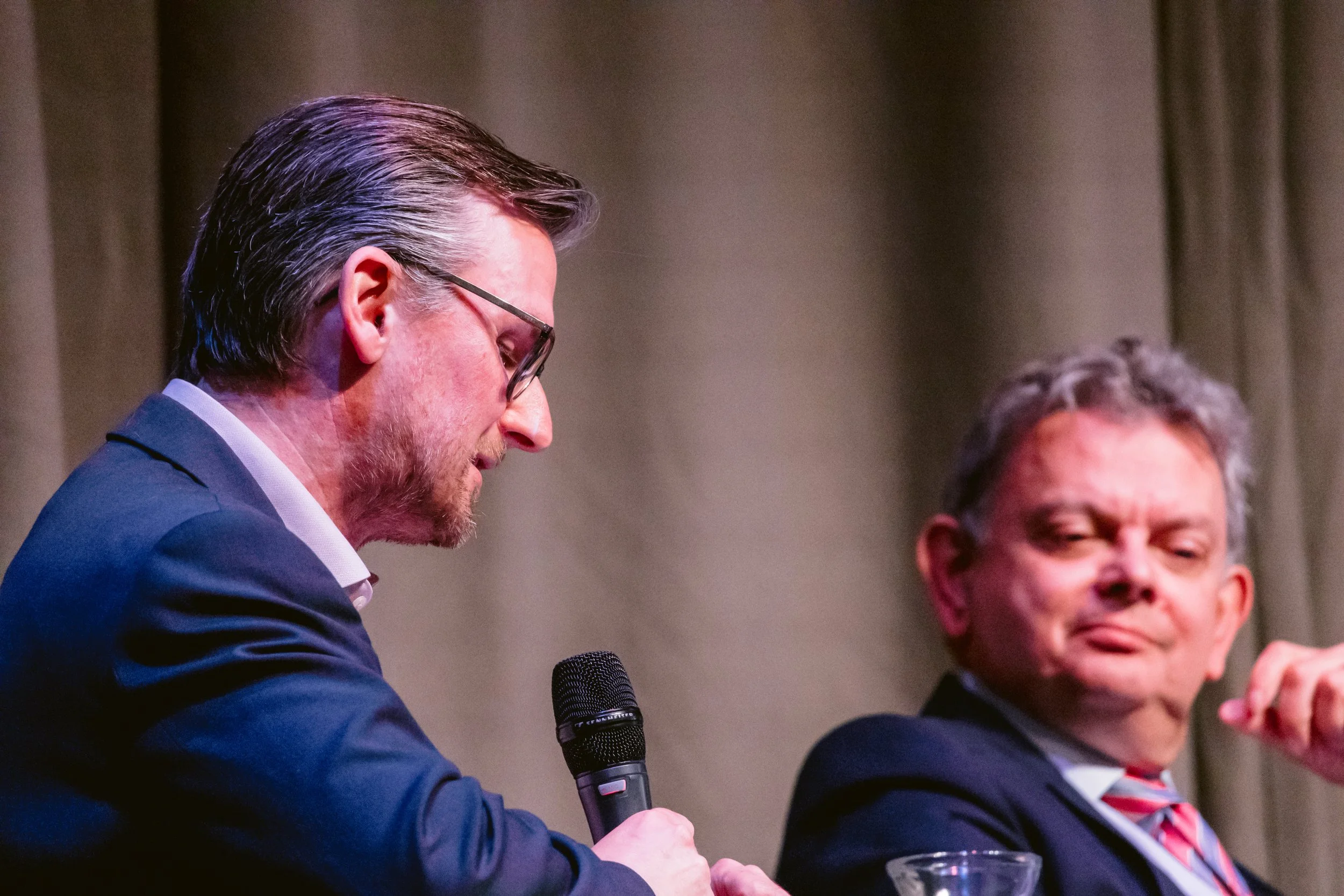
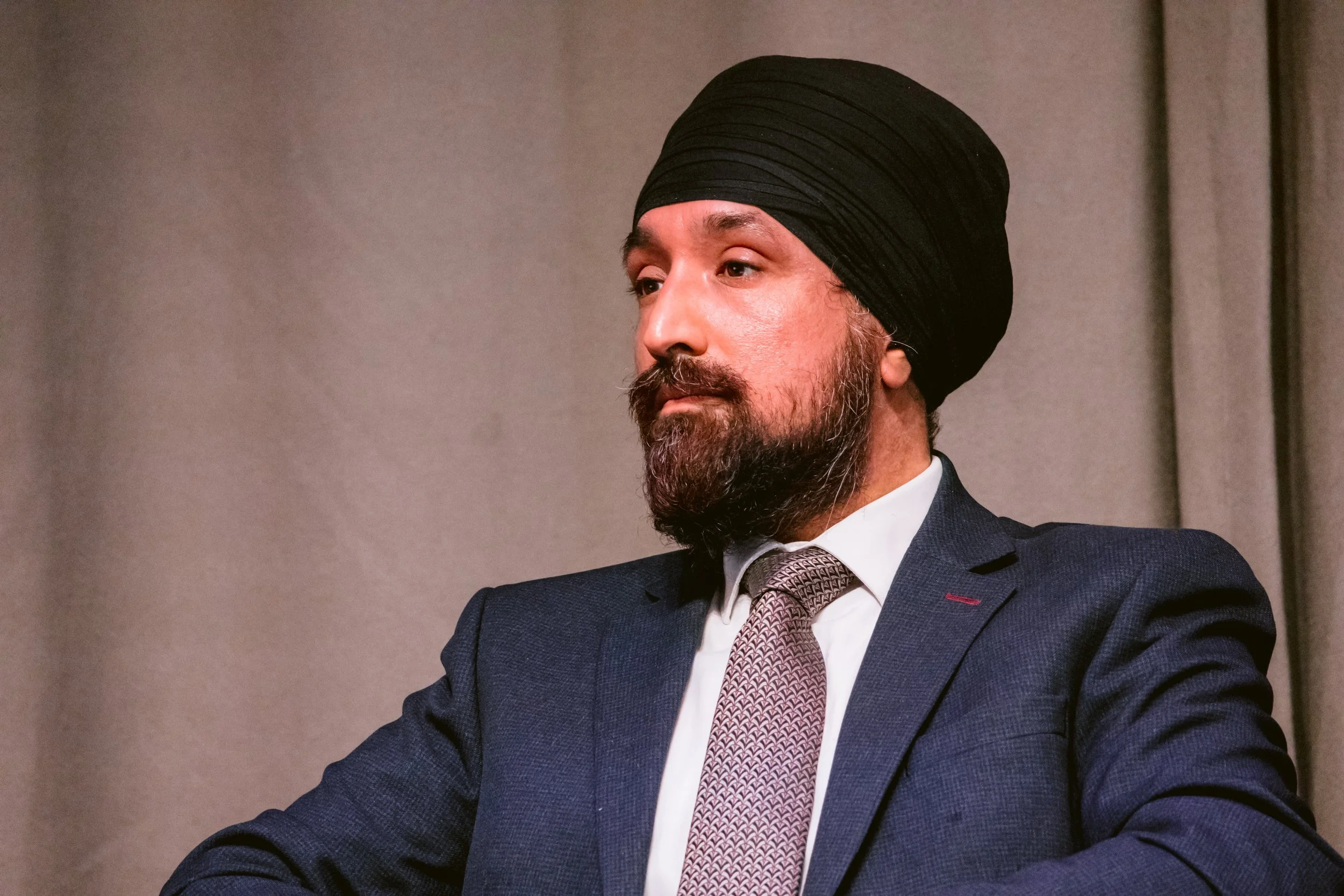
Scotland's economy grew by just 0.1% in Q1 2026. Against that backdrop, panellists debated what a credible plan for growth would look like:
- Charandeep Singh warned against policy drift and called for community-level action, with a particular focus on giving young people a genuine reason to stay in Scotland.
- Lesley Smillie welcomed the mandate to engage with business but noted that economic transformation requires much wider public-private collaboration.
- Daniel Coleman argued that Scotland needs to identify growth sectors early and work with them to deliver a plan for the infrastructure, skills, funding and R&D they need, looking to other countries as a model.
- Prof. Anton Muscatelli stressed that industrial strategy must be a foundational keystone, and that the Scottish Government needs to work jointly with the UK Government to de-risk major green and tech investments.
On keeping young talent, the panel discussed using the tax system to reward businesses hiring young people (citing Portugal as a model) and building adequate housing so the next generation can afford to live here.
Keynote
Alex Cole-Hamilton MSP
Leader of the Scottish Liberal Democrats
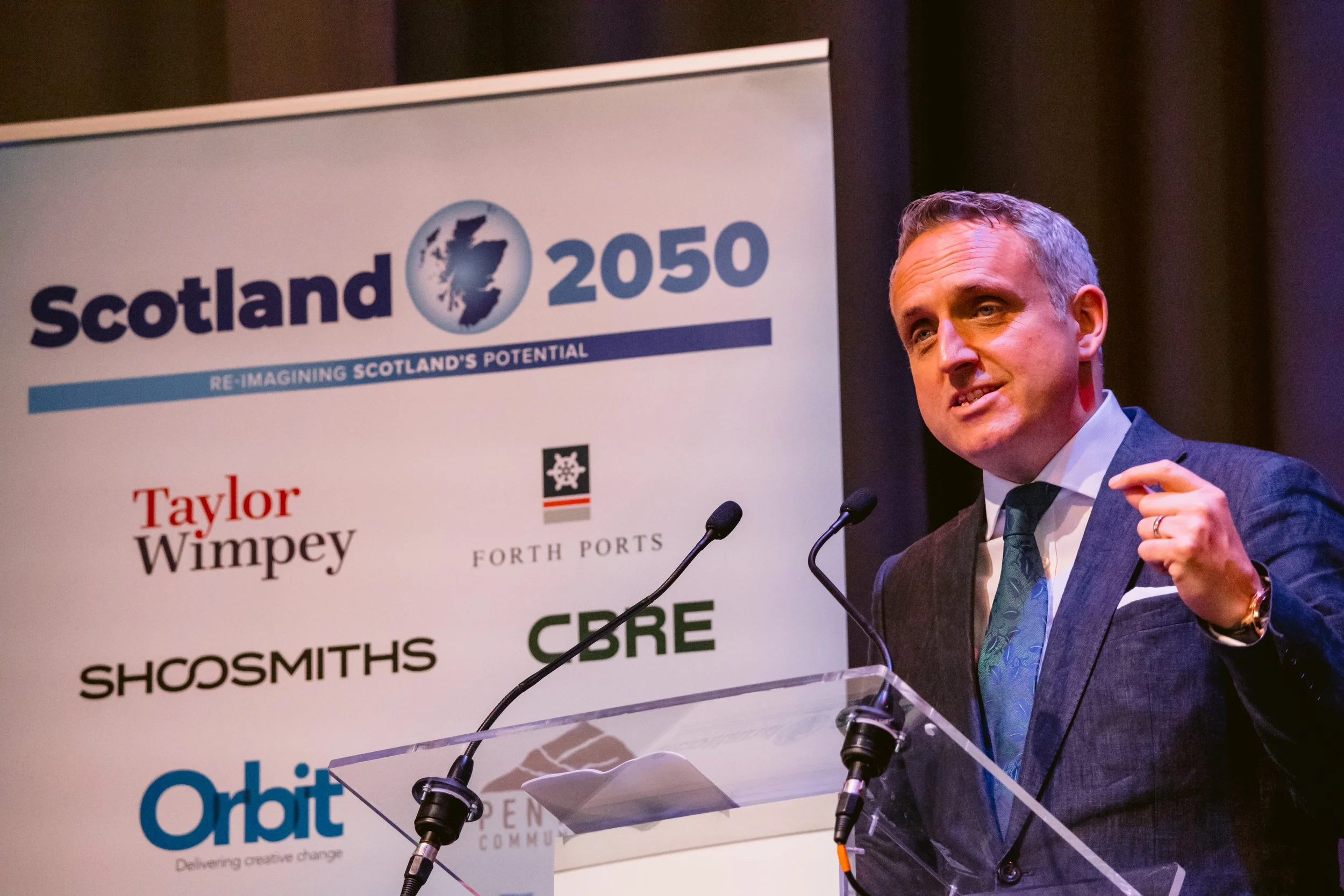
Alex Cole-Hamilton delivered a keynote challenging the current culture of Scottish politics, warning against a habit of picking fights for the sake of it and sending out angry press releases without getting anything done.
"When people don't feel their vote will count, when they can't trust the politicians they are electing, they either don't turn out or they are driven towards extremes."
He pointed to a 10% drop in turnout at the most recent election as a warning sign, and closed with a direct call to action: "Events like this offer an opportunity to imagine a different kind of politics, where there is more power in people's hands and we work with unified intent towards a better Scotland."
Part 2 of the digest covers Trust in Politics, Public Service Reform, Scotland's Global Standing, and the Housing Crisis. Read Part 2
With thanks to our sponsors
An independent, cross-party event like Scotland 2050 is only possible because of a hard-working team of volunteers and our generous sponsors.









The Scotland 2050 Team