Shaping Scotland's future, together.
A sold-out crowd packed the Assembly Rooms on 2 June for a full day of honest, wide-ranging debate about Scotland's future. From energy and the economy to political trust and the housing crisis, speakers and audiences came together in a spirit of shared purpose, with one clear message: Scotland has the talent, the ambition, and the passion to shape a better future.
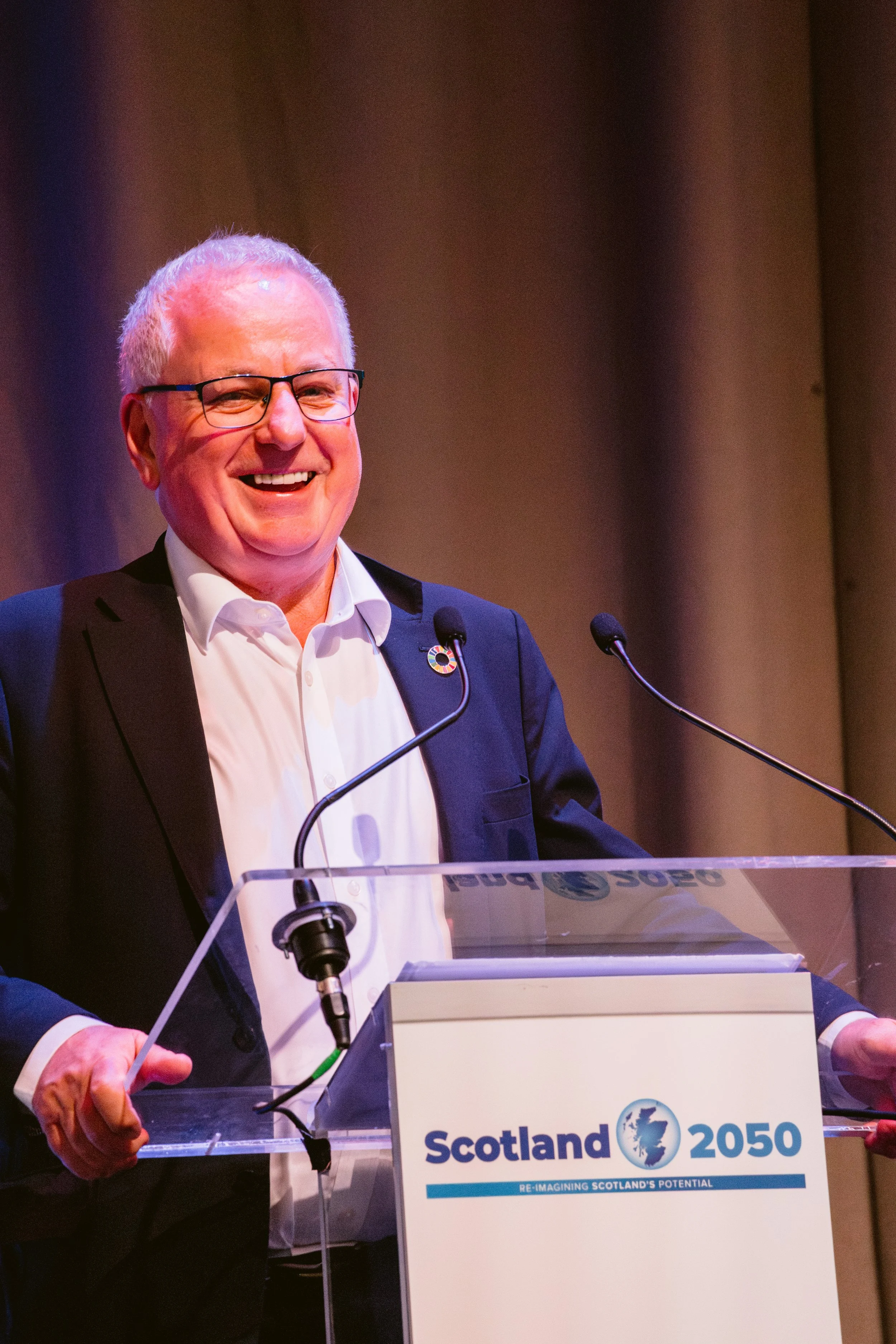
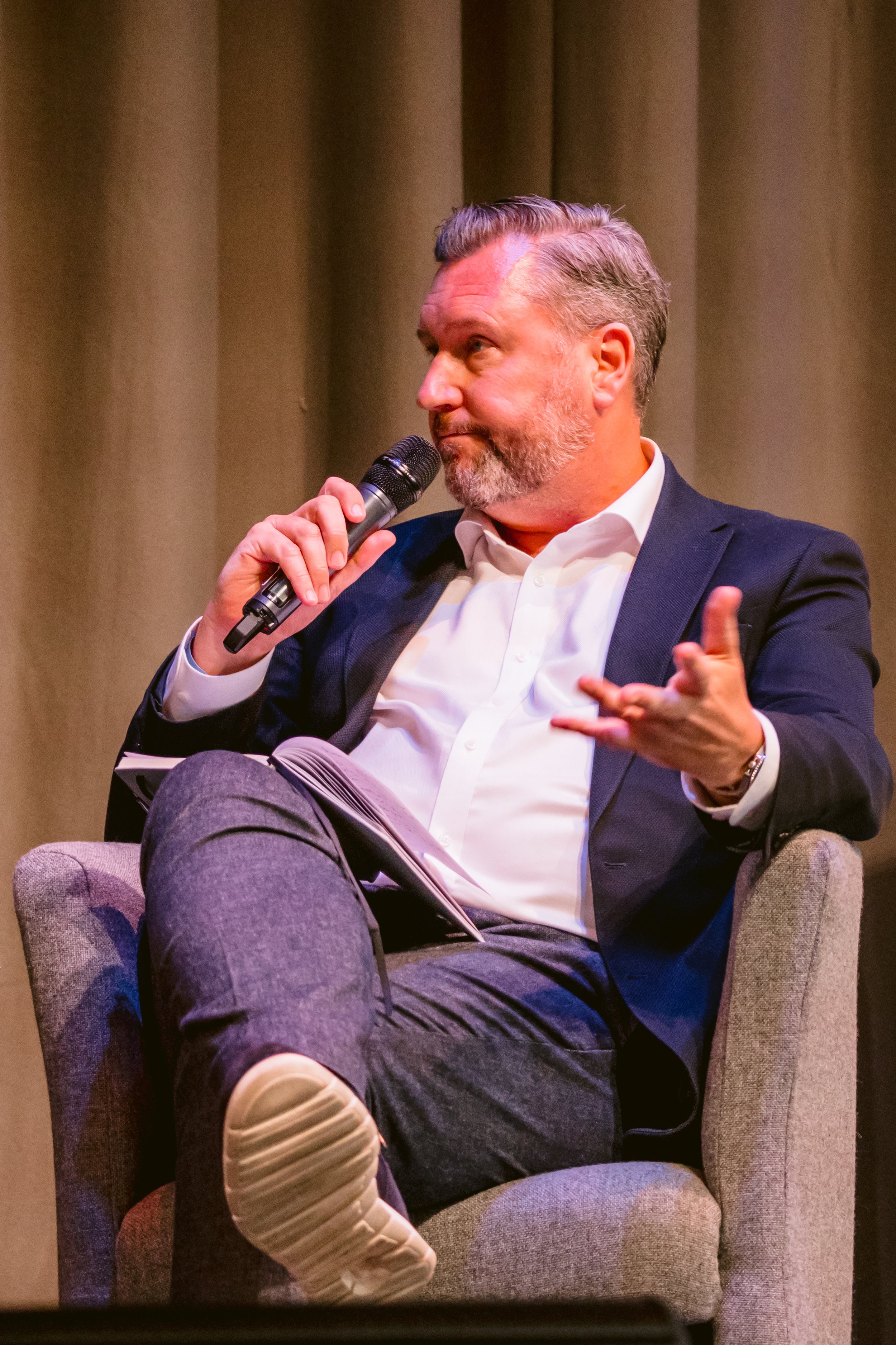
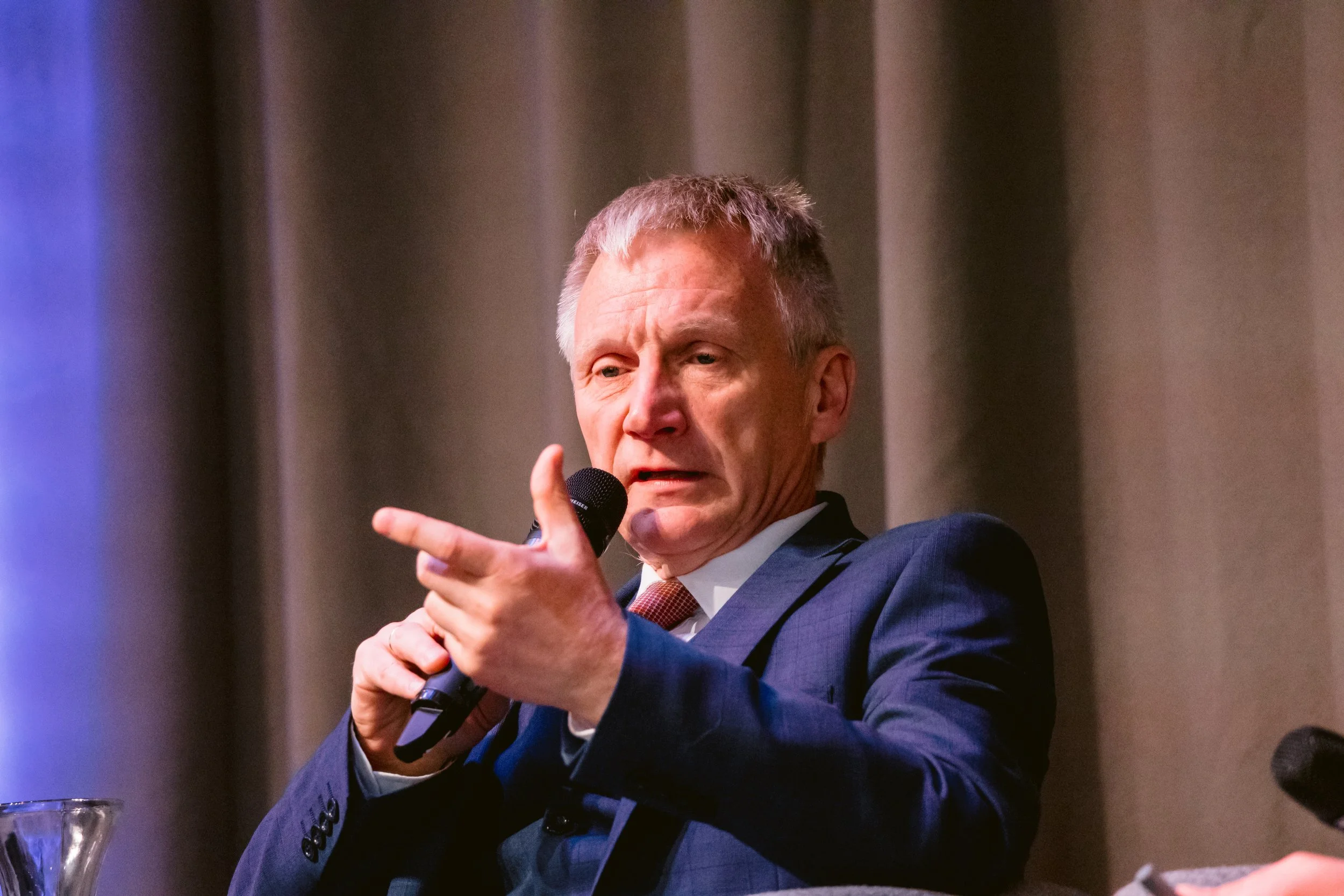
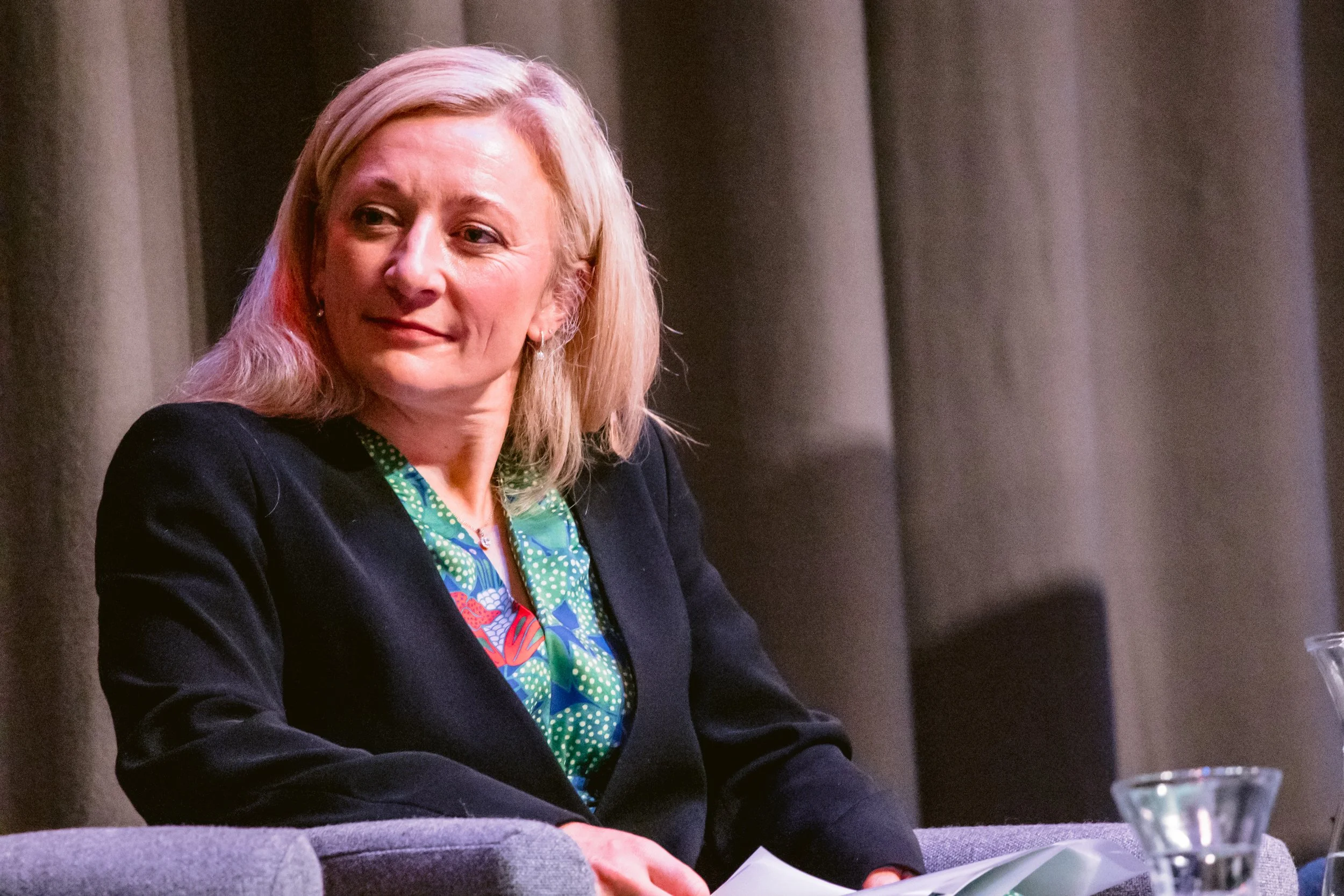
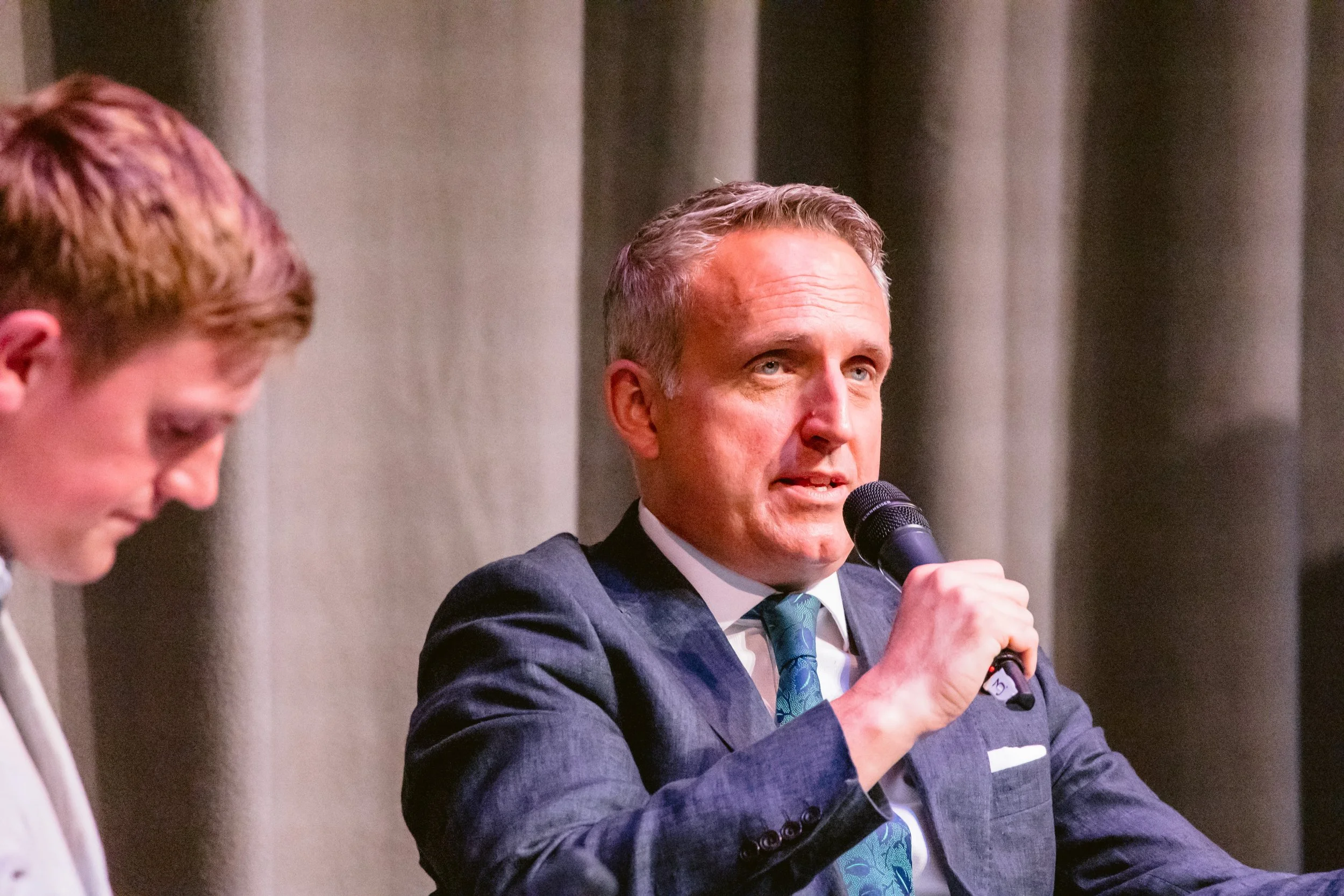
Set high aims, identify who needs to be involved, and take a few risks. Scotland has the talent.
Lord Jack McConnell, First Minister of Scotland 2001 to 2007
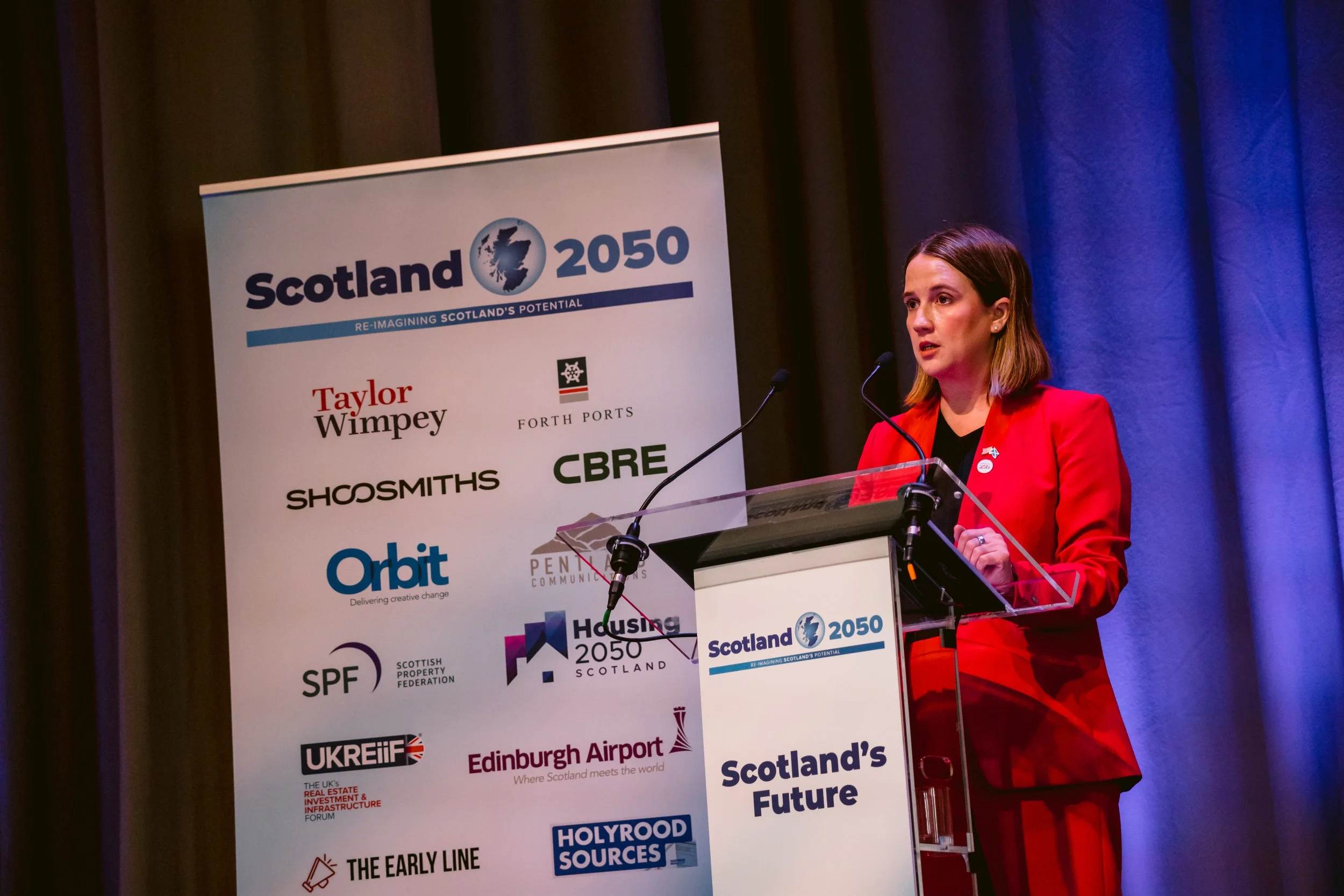
Collaboration is at the heart of public service reform, and we will continue to work together to deliver public services which are strong, effective and accessible for future generations.
Ivan McKee MSP, Cabinet Secretary for Public Service Reform
| 08:30 |
Registration and Check-in
Doors open. Tea and coffee available.
|
| 09:00 |
Introduction
Barrie Cunning, Founder, Scotland 2050
|
| 09:05 |
Keynote Address
Lord Jack McConnell, First Minister of Scotland 2001 to 2007
Followed by Q&A chaired by Alistair Grant, Political Editor, The Scotsman
|
| 09:30 |
Empowering Scotland: Energy and Connectivity
A long-term approach to Scotland's energy security and connectivity.
Panellists: Bill Esterson MP, Chair, Energy Security and Net Zero Committee | Stuart Wallace, CEO, Forth Ports | Geraint Evans, CEO, UK Major Ports | Gordon Dewar, CEO, Edinburgh Airport | Steven Stewart, Head of Scottish Planning and Environmental team at Shoosmiths
Chaired by Sarah Boyack, Former MSP for Lothian
Sponsored by Forth Ports
|
| 10:00 |
Scotland's Future Economy
A long-term plan for economic resilience and growth.
Panellists: Professor Anton Muscatelli, President, Royal Society of Edinburgh | Charandeep Singh, CEO, Scottish Chambers of Commerce | Lesley Smillie, Senior Partner and Government and Public Services Lead Scotland, Deloitte | Daniel Coleman, Economist and Managing Director of Forth Advisory
Chaired by: Andrew Foyle, Head of Dispute Resolution and Litigation team at Shoosmiths
Sponsored by Shoosmiths
|
| 10:45 |
Keynote Address
Alex Cole-Hamilton MSP, leader of the Scottish Liberal Democrats, Followed by Q&A
|
| 11:15 |
Morning Break and Networking
|
| 11:30 |
Rebuilding Trust: A New Era in Scottish Political Discourse
Panellists: Mark Diffley, Director and Founder, Diffley Partnership | Patrick Harvie, Green Party MSP for Glasgow | Anamika Dwivedi, Scottish Property Federation | Calum Kerr, SNP MSP for Midlothian South, Tweeddale and Lauderdale
Chair: Barrie Cunning, Founder, Scotland 2050
|
| 12:00 |
Keynote Address
Ivan McKee MSP, Cabinet Secretary for Public Service Reform, followed by Q&A
|
| 12:30 |
Navigating Change: Scotland's Place in a Global Landscape
Opening remarks by Kathryn Porter, U.S. Consul General in Edinburgh
Panellists: Charandeep Singh, CEO, Scottish Chambers of Commerce | Paul Sweeney MSP, Scottish Labour Party | Councillor Lezley Marion Cameron, Depute Lord Provost of Edinburgh | Carol Mochan, Scottish Labour Party | Gary Maclean, Scotland's first National Chef
Chair: Barrie Cunning, Founder of Scotland 2050
|
| 13:00 |
Lunch Break
|
| 14:00 |
Keynote Address
Barrie Cunning, Founder of Scotland 2050, followed by Q&A
|
| 14:45 |
Afternoon Break and Networking
|
| 15:00 |
Homes of Tomorrow: Sustainable Solutions for Scotland's Housing Crisis
Opening perspective and framing the challenge by Andrew Roberts, Strategic Land Regional Director for Scotland, Taylor Wimpey.
Panellists: Kevin Murphy, Director of Planning at Homes for Scotland | Councillor Ruairi Kelly, SNP City Convener for Housing, Development, Built Heritage and Land Use, Glasgow City Council | Alex Orr, Managing Director, Orbit Communications | Barry McKeown, Head of Shoosmiths Glasgow Office
Chair: Andrew Roberts
Sponsored by Orbit Communications and Taylor Wimpey
|
| 16:00 |
Conference Close
Closing remarks by Barrie Cunning, Founder, Scotland 2050
|
Scotland 2050 Speakers
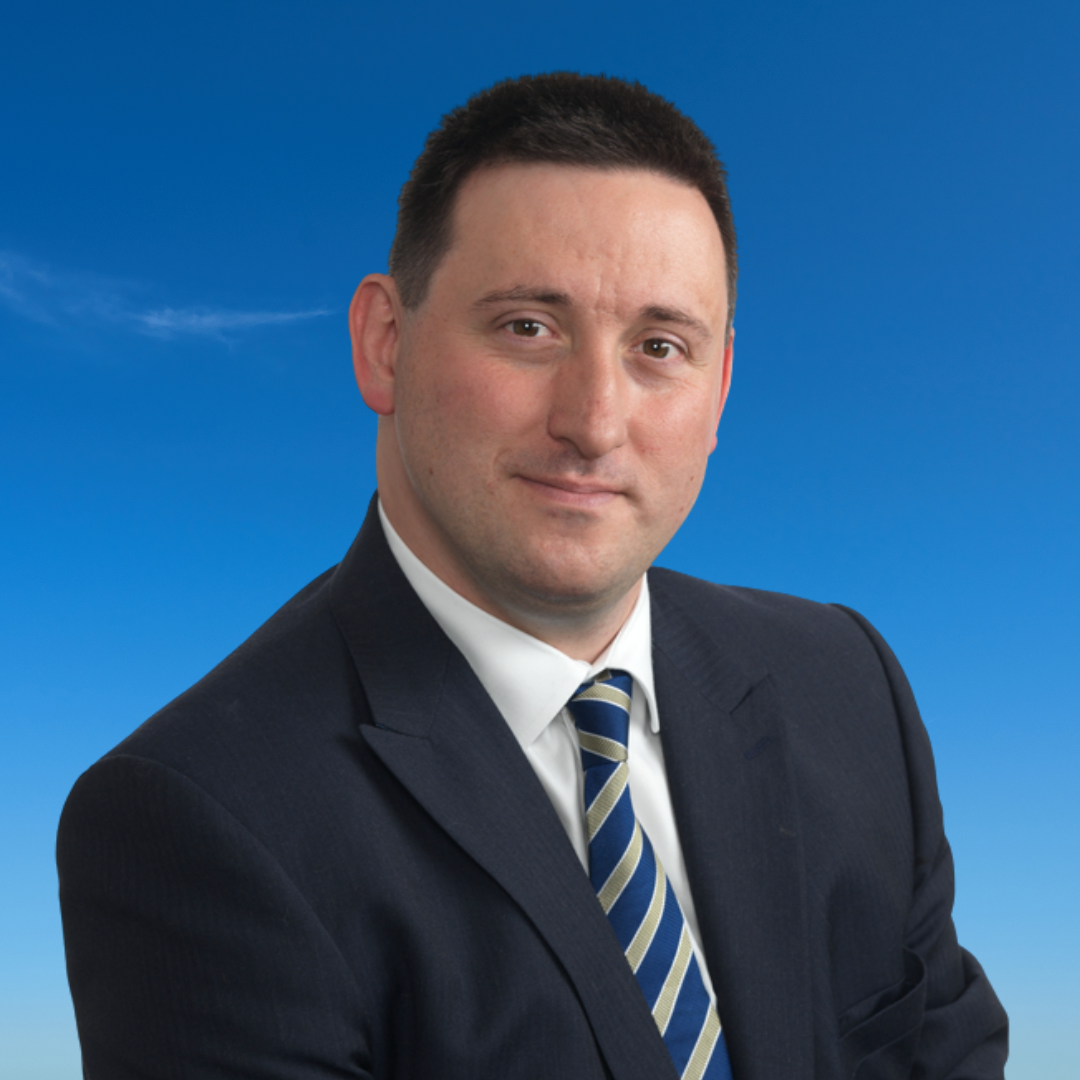
Barrie Cunning, Founder, Scotland 2050
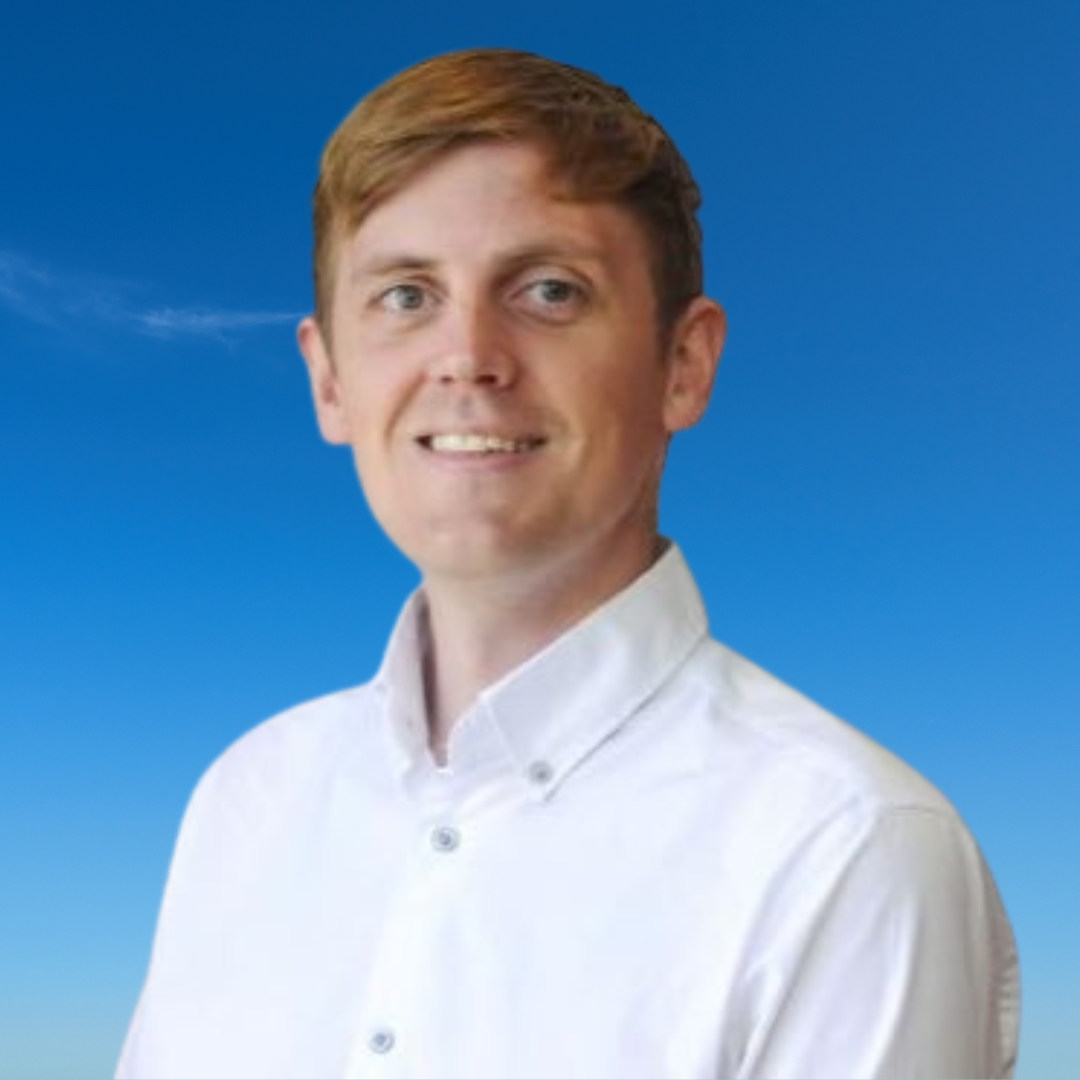
Alistair Grant, Scotland 2050 Chair and Political Editor, The Scotsman
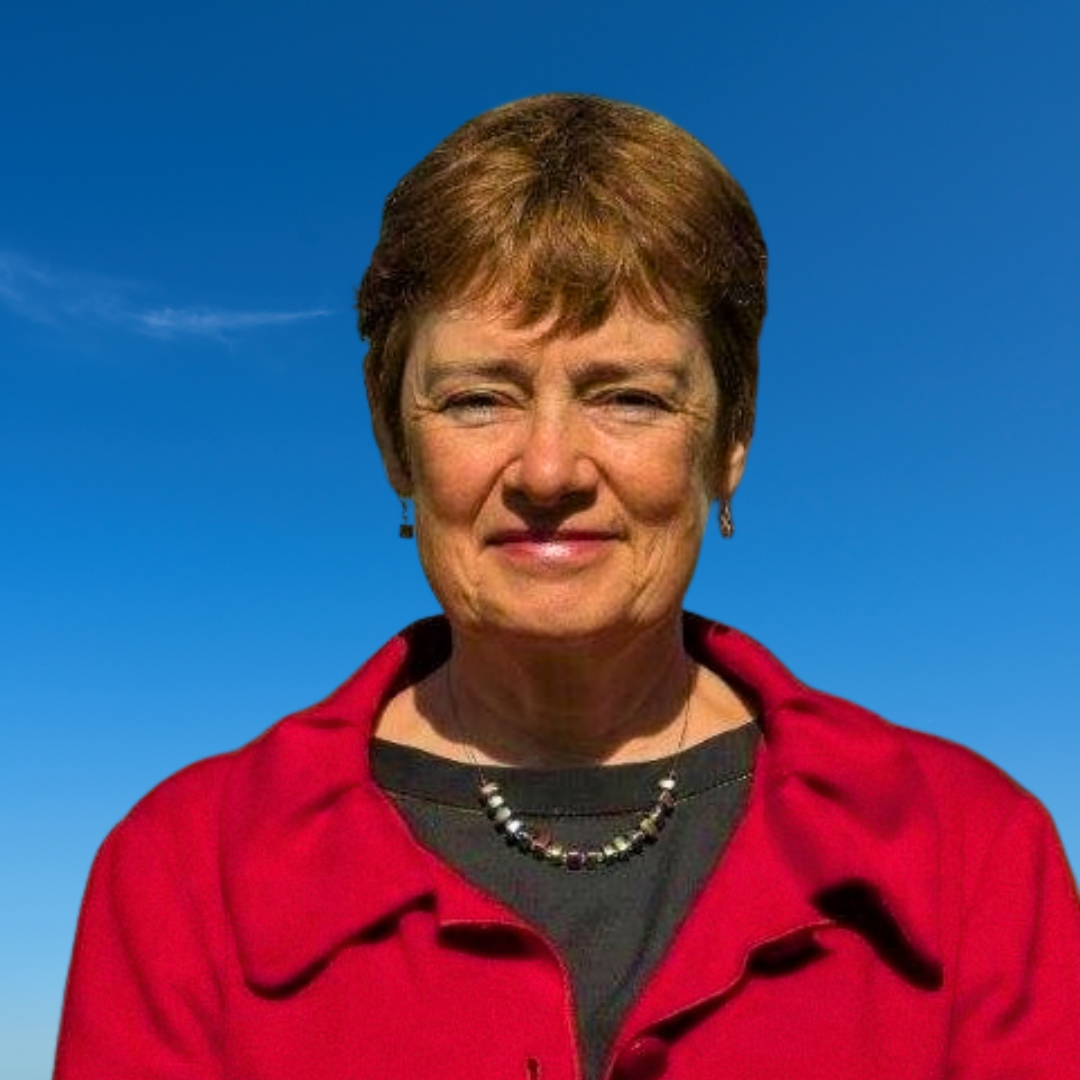
Sarah Boyack, Former MSP for Lothian
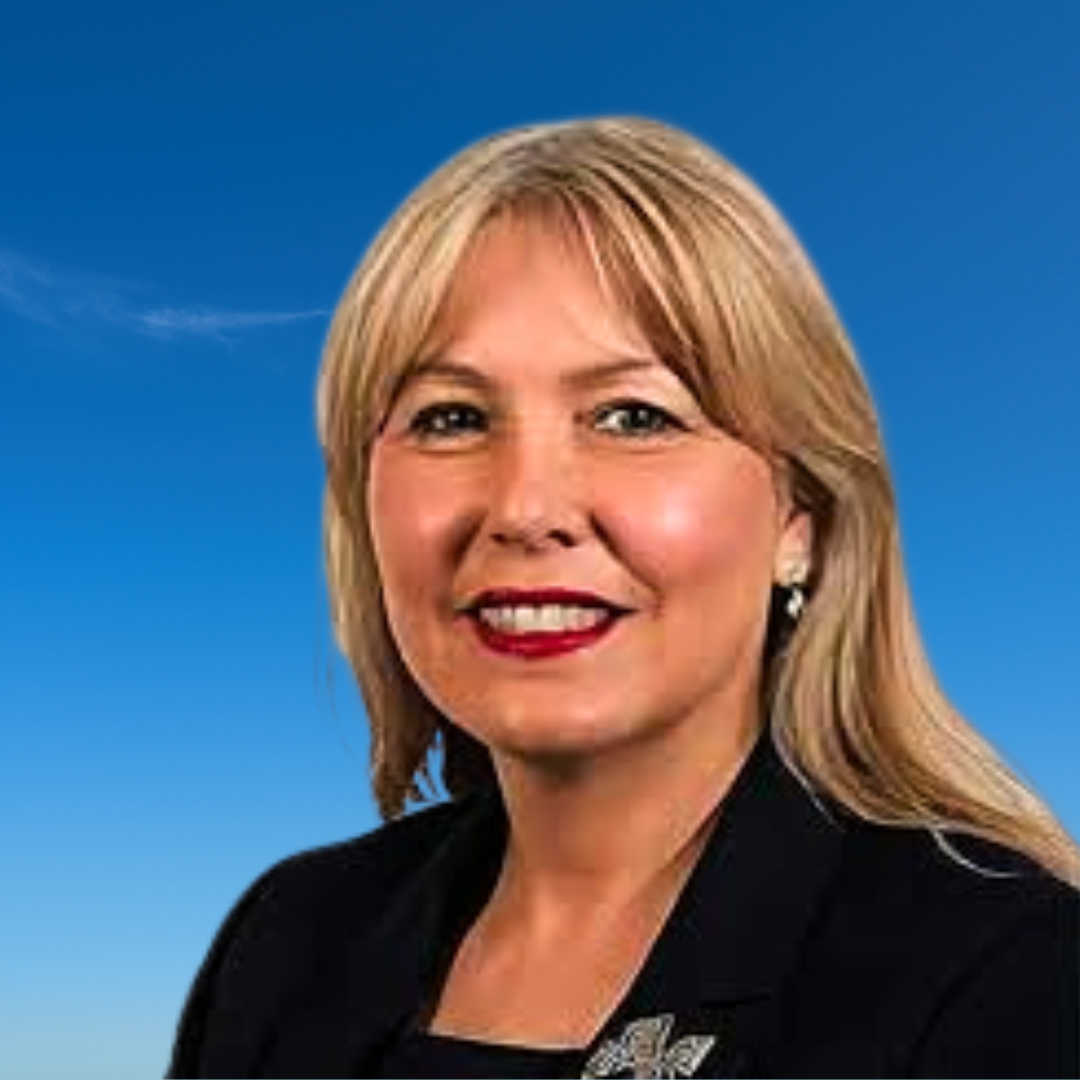
Councillor Lezley Marion Cameron, Labour, Depute Lord Provost, Edinburgh Council
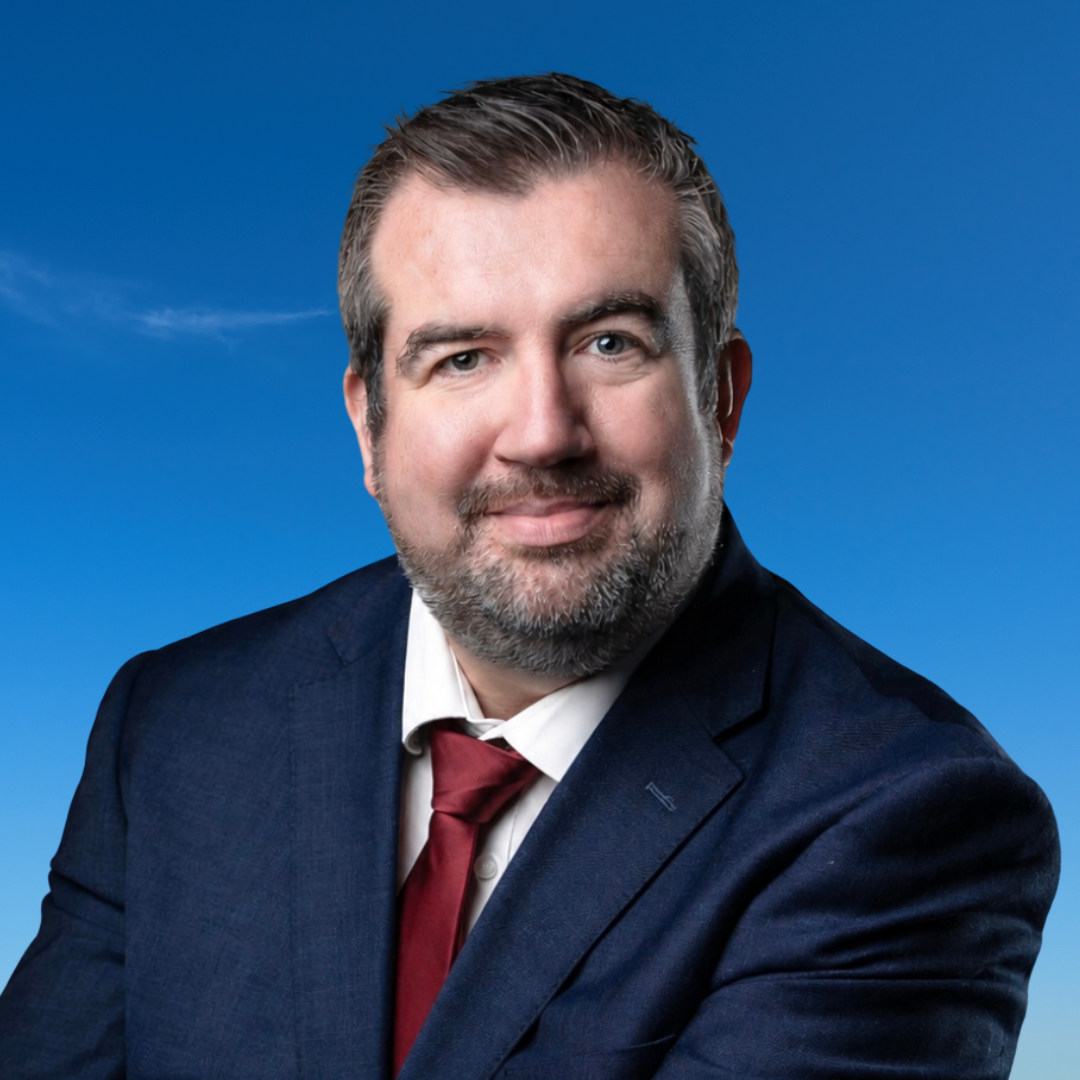
Daniel Coleman, Economist and Managing Director of Forth Advisory
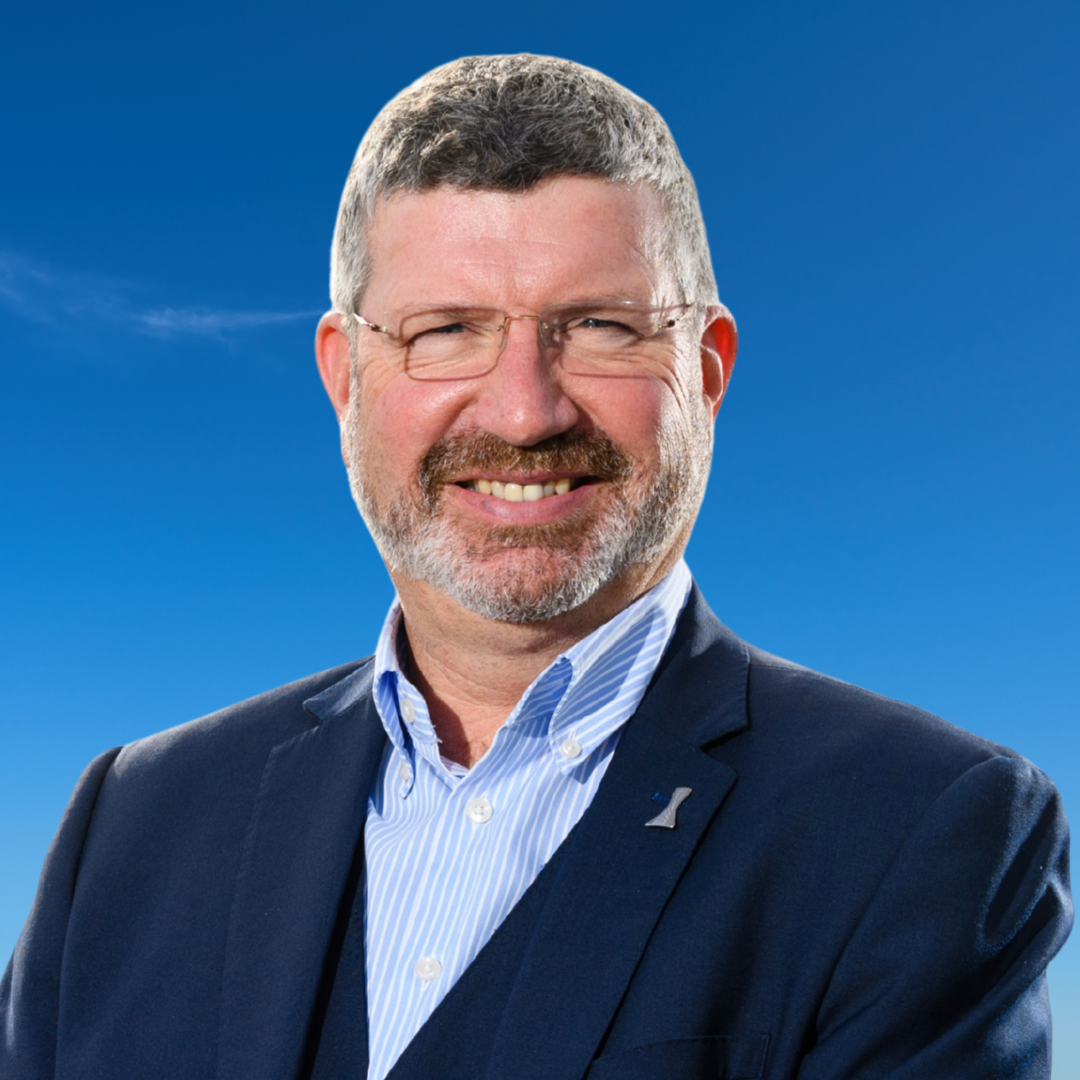
Gordon Dewar, CEO, Edinburgh Airport
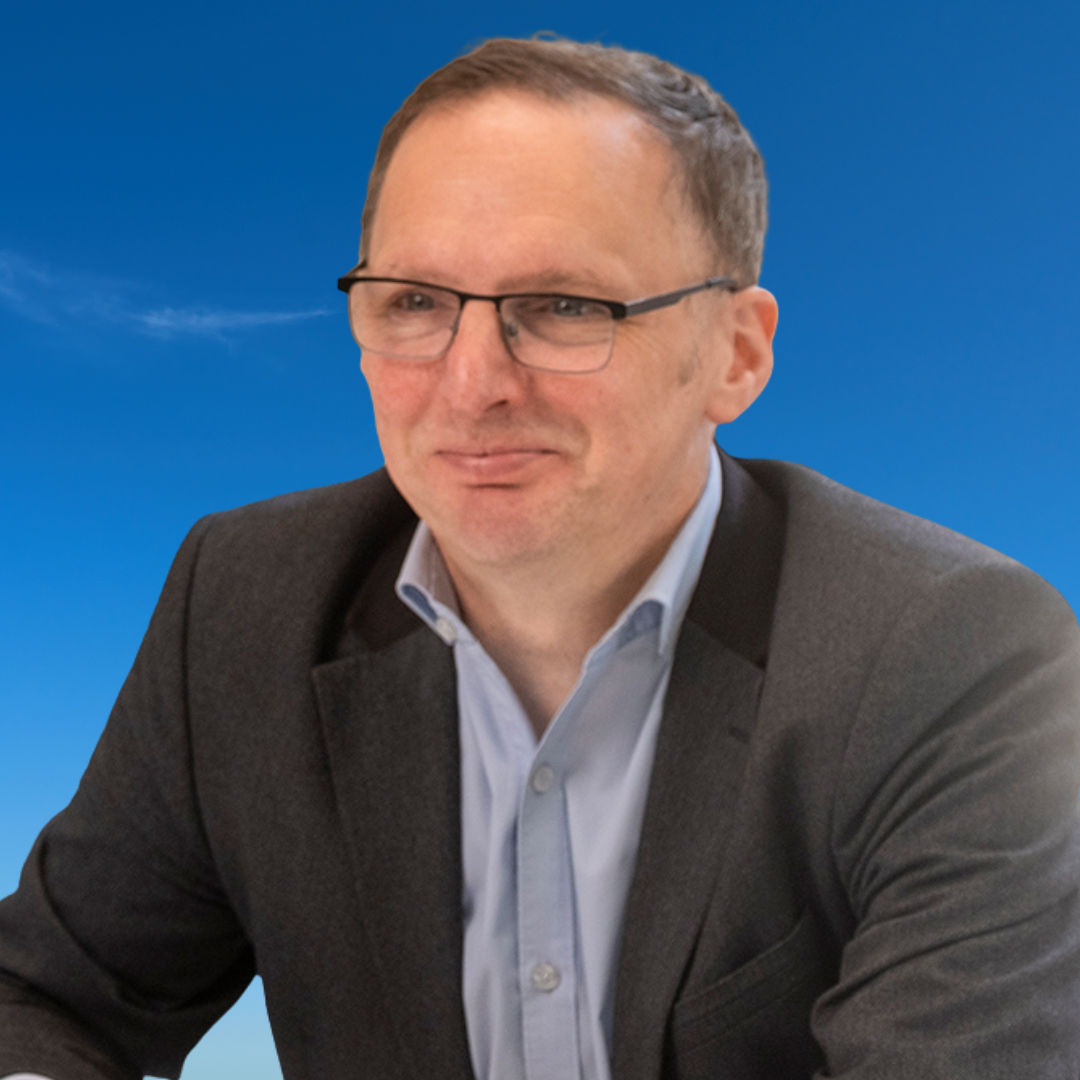
Mark Diffley, Director and Founder, Diffley Partnership
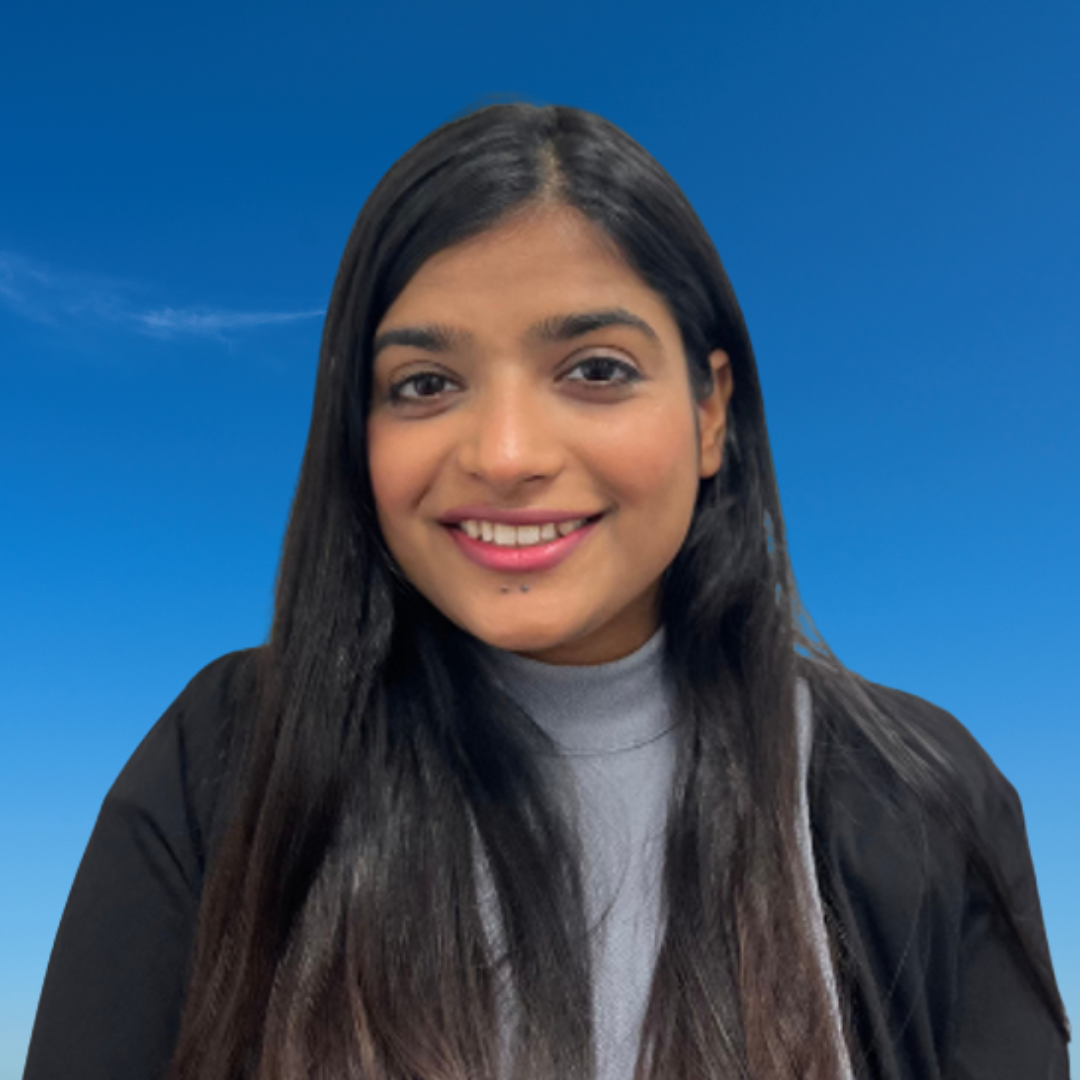
Anamika Dwivedi, Scottish Property Federation
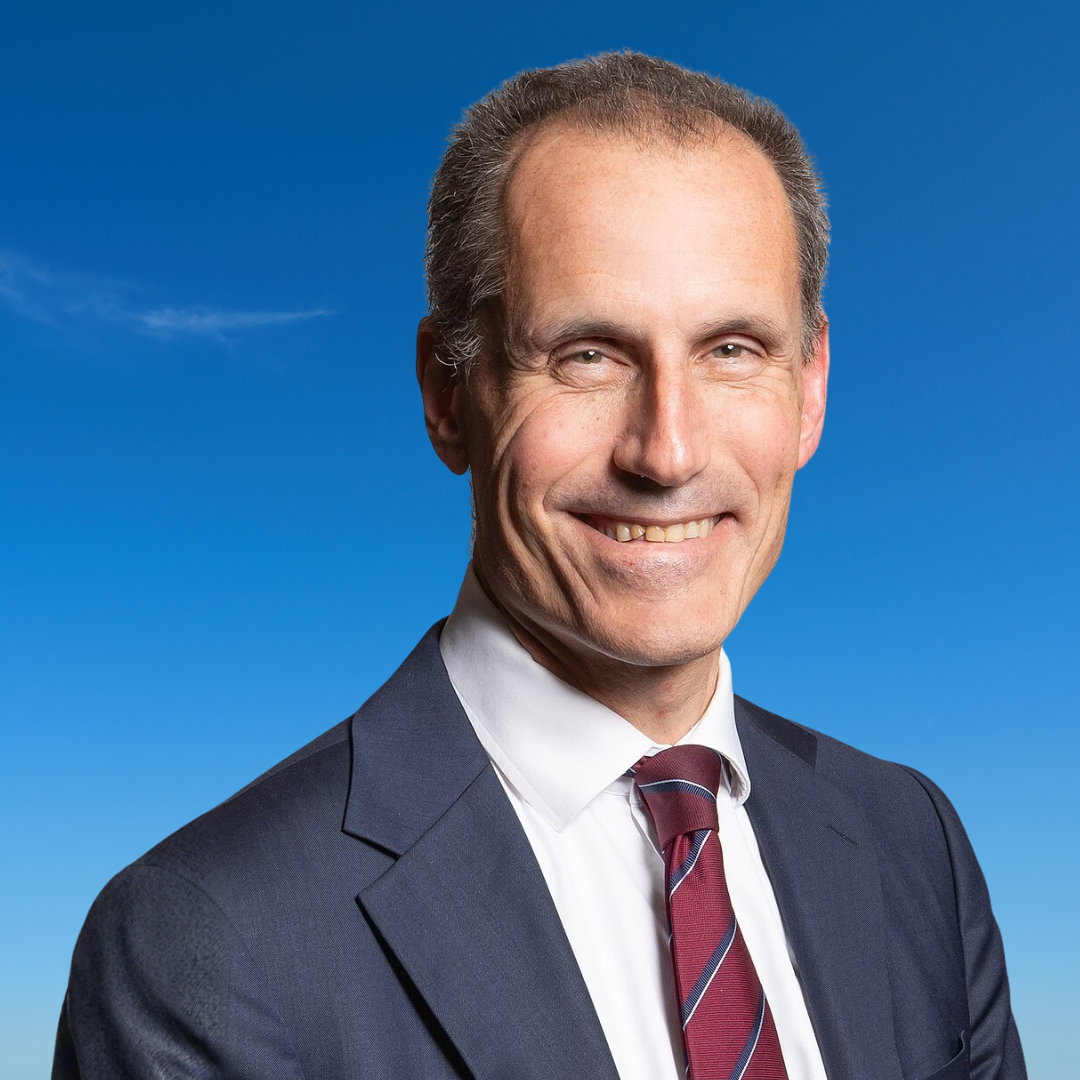
Bill Esterson MP, Chair, Energy Security and Net Zero Committee
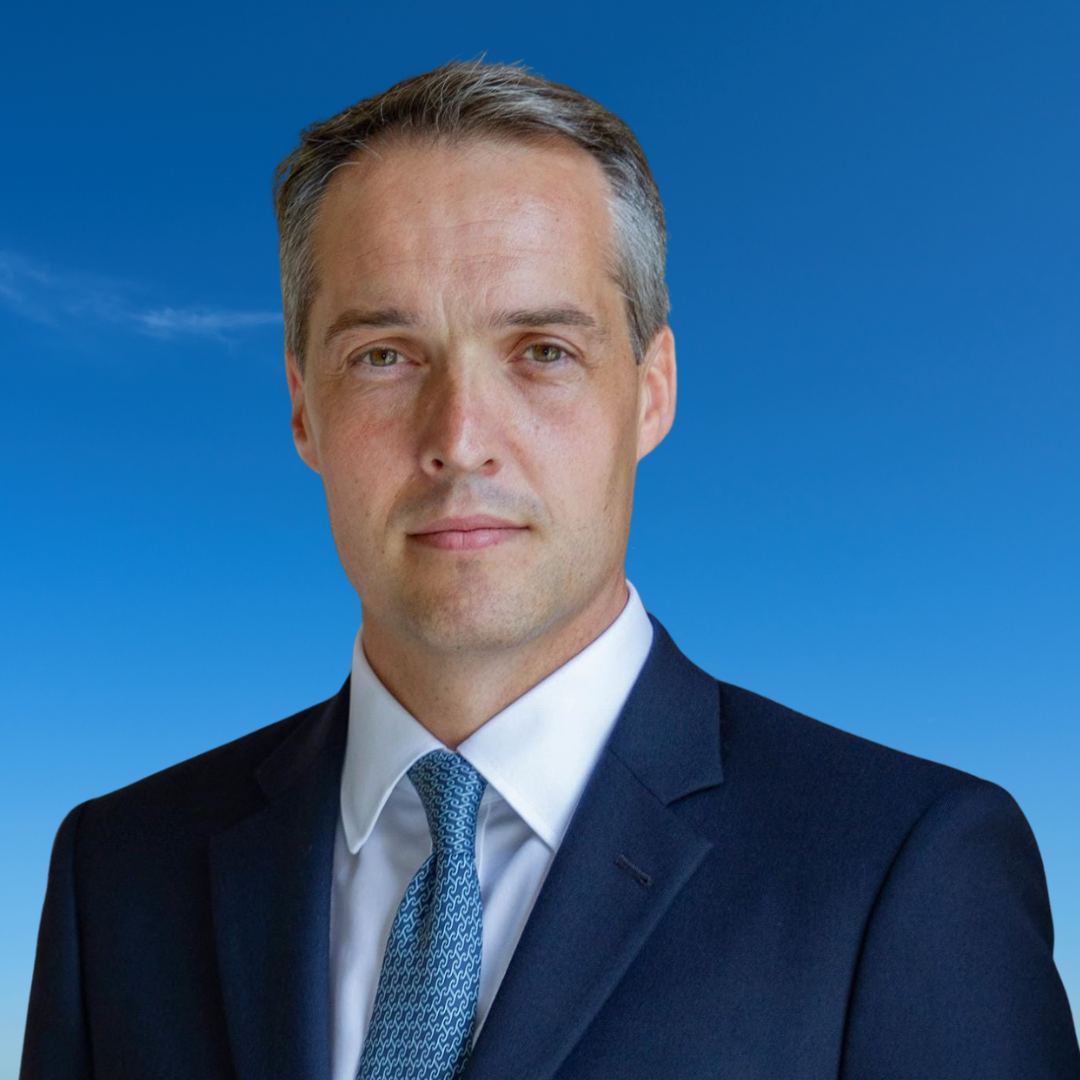
Geraint Evans, CEO, UK Major Ports
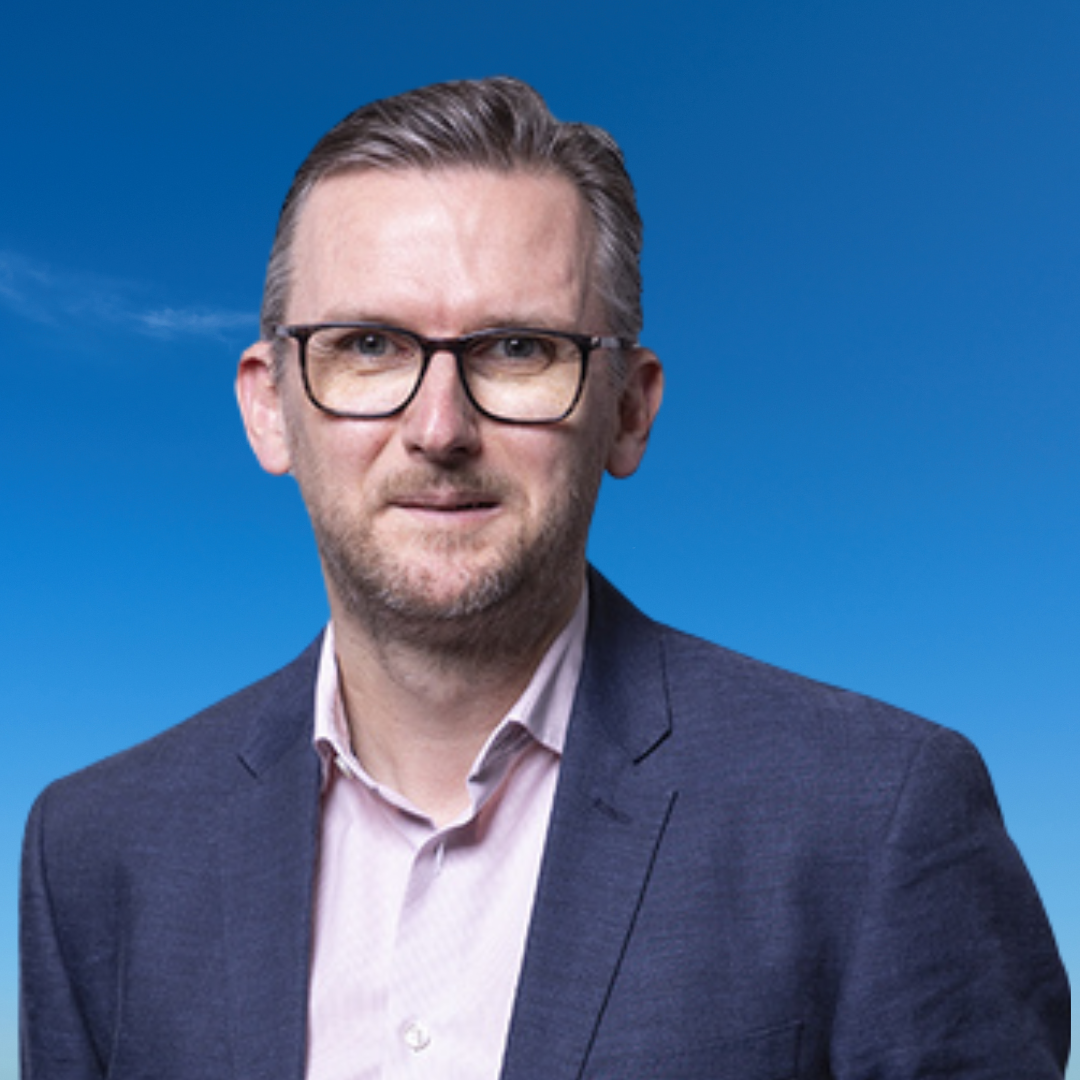
Andrew Foyle, Head of Dispute Resolution and Litigation team at Shoosmiths
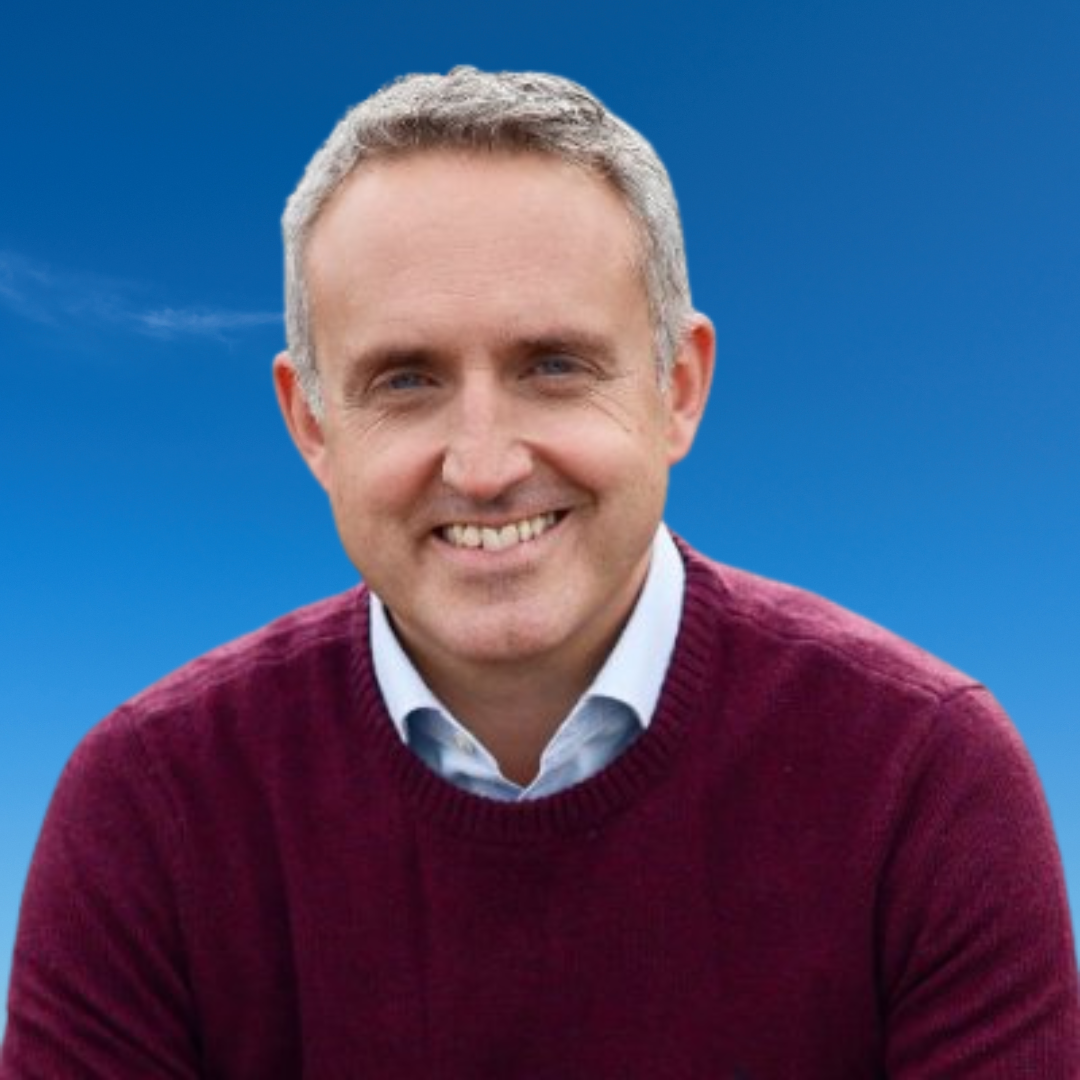
Alex Cole-Hamilton MSP, leader of the Scottish Liberal Democrats
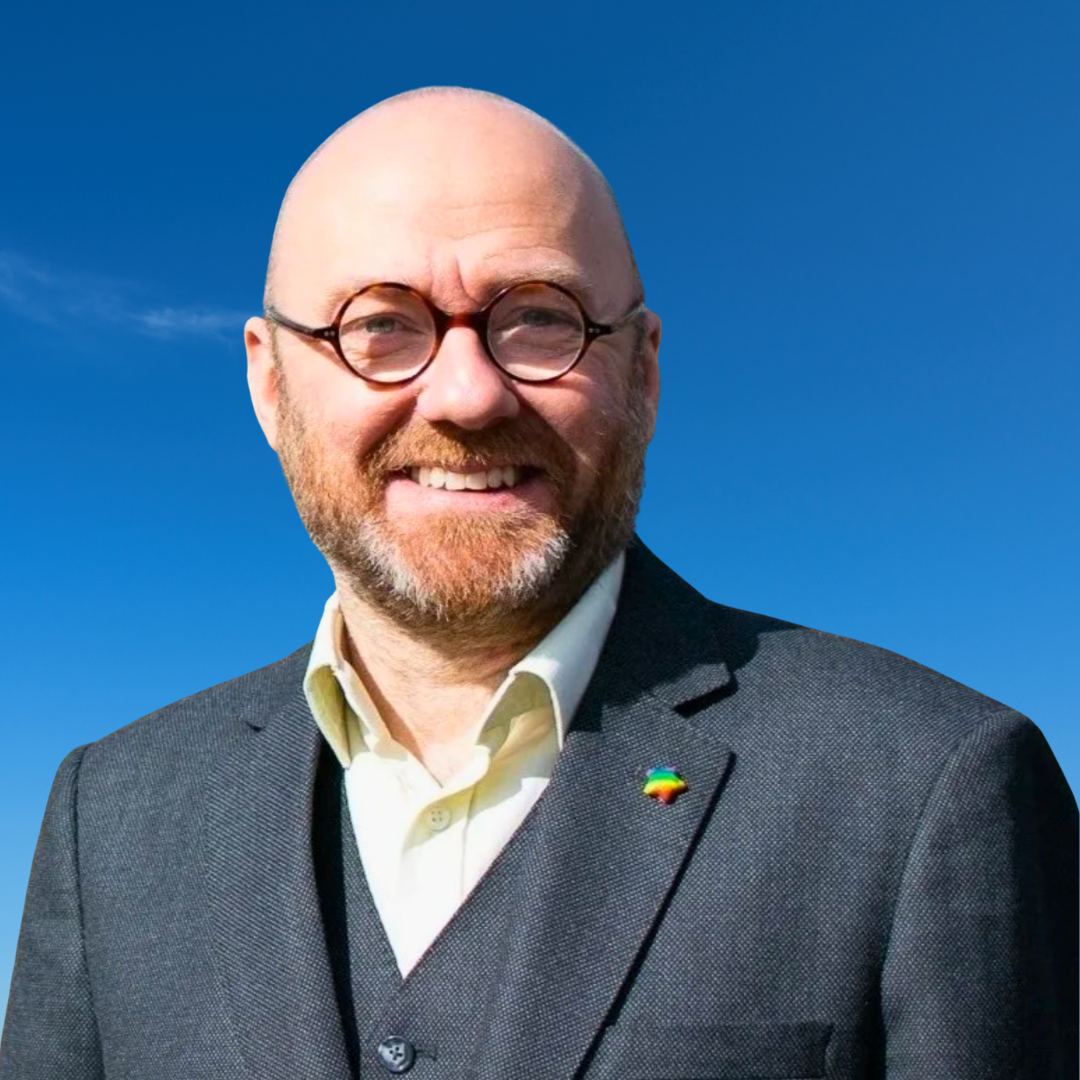
Patrick Harvie MSP, Scottish Green Party, Glasgow
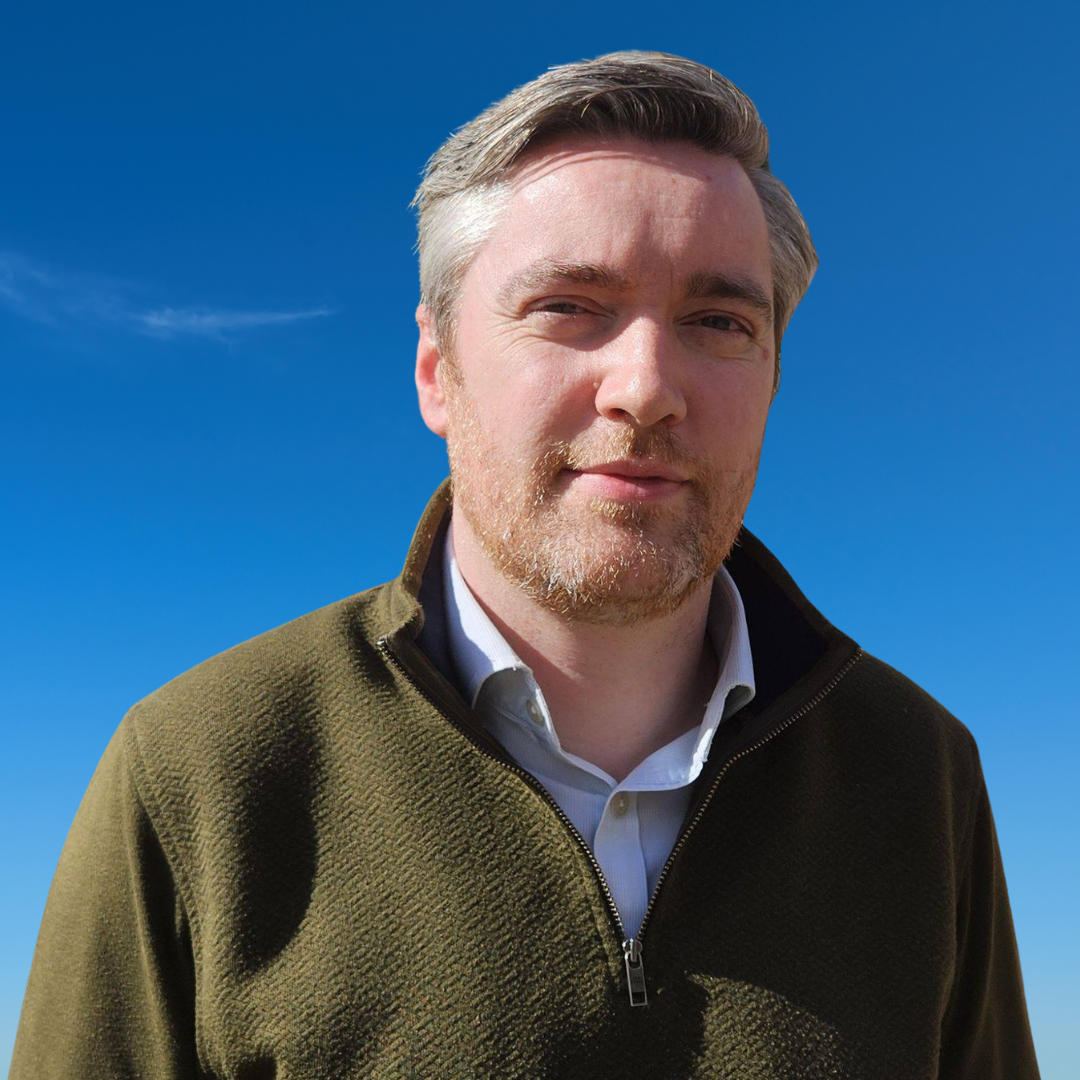
Councillor Ruairi Kelly, SNP City Convener for Housing, Development, Built Heritage and Land Use, Glasgow City Council
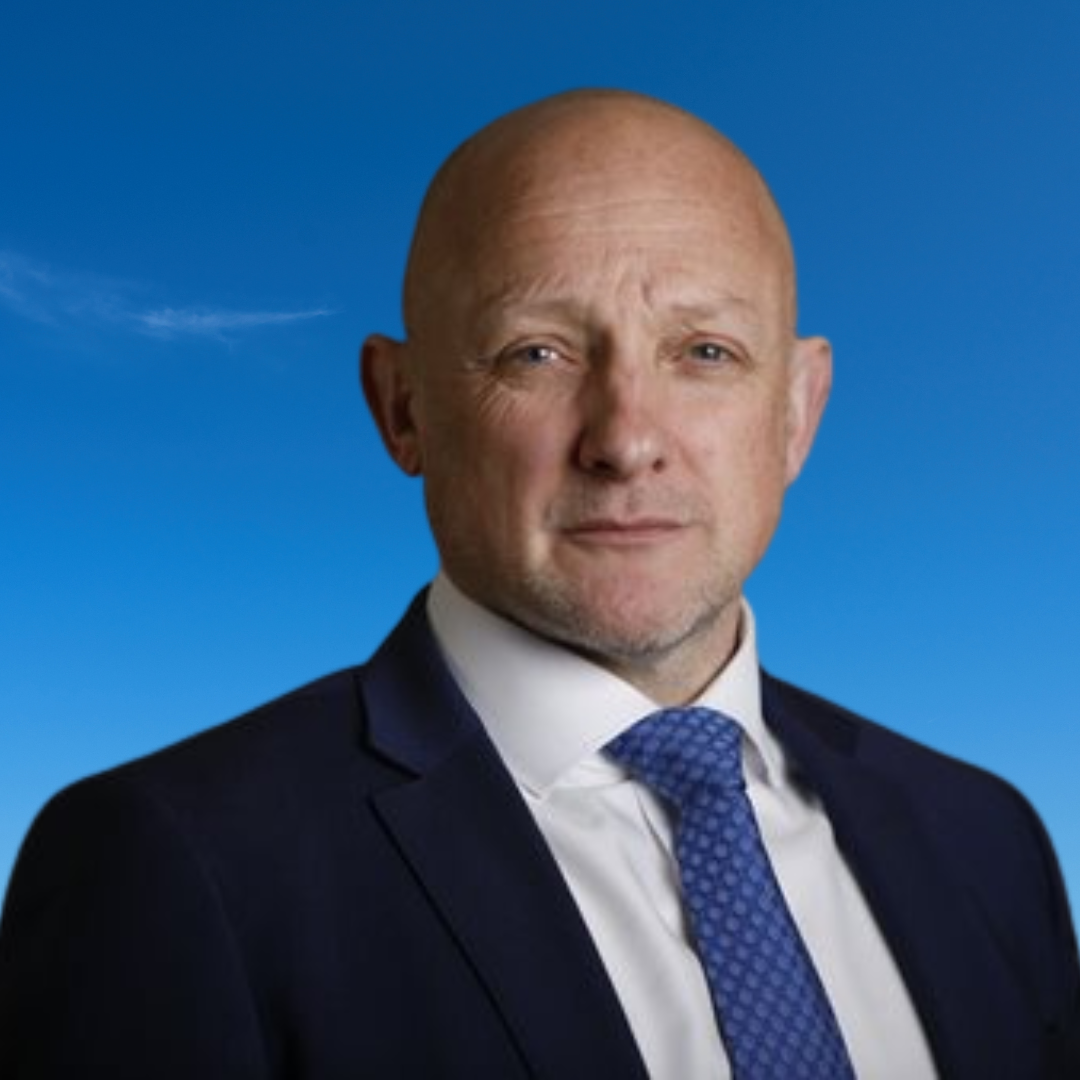
Calum Kerr MSP, SNP, Midlothian South, Tweedale and Lauderdale
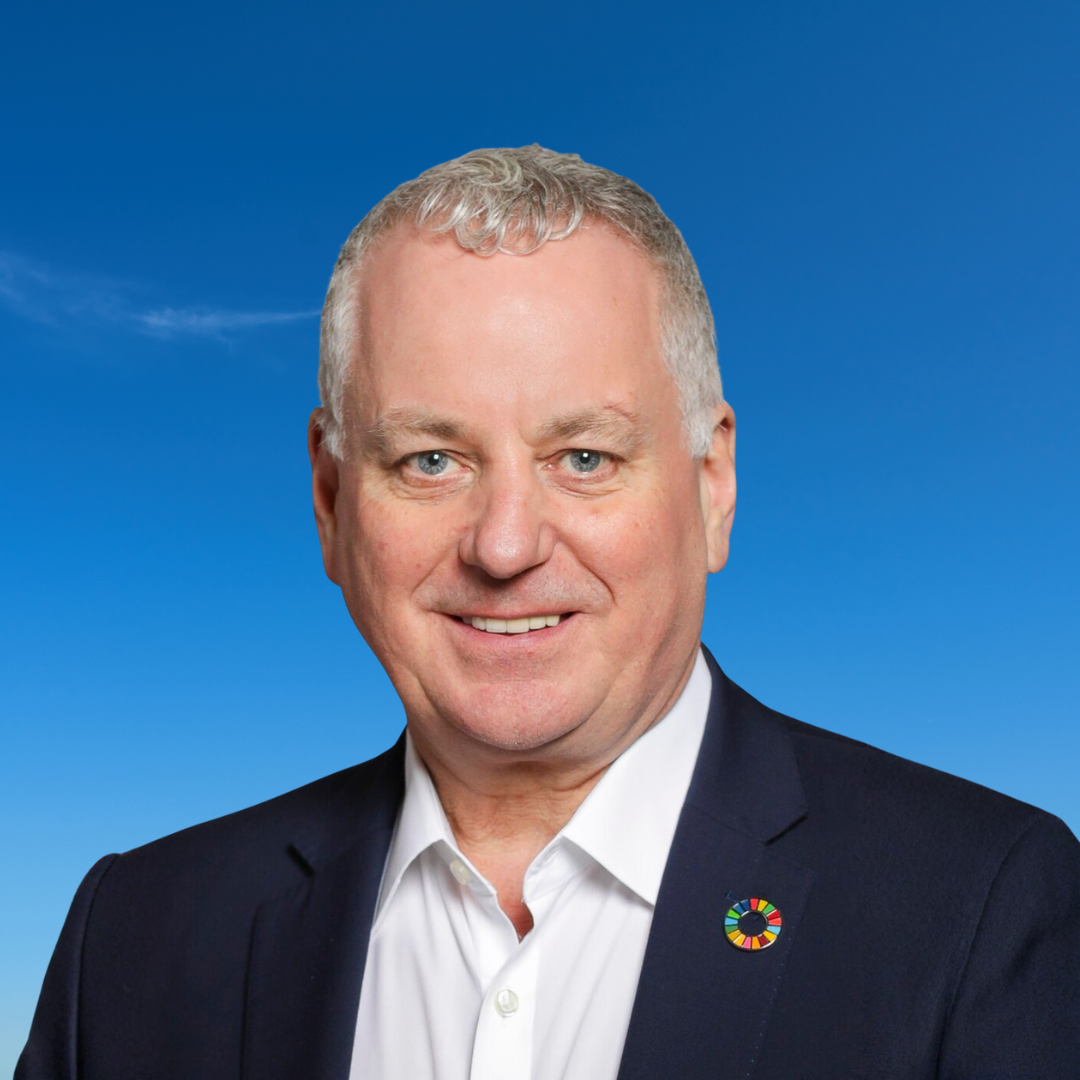
Lord Jack McConnell, First Minister of Scotland 2001 to 2007
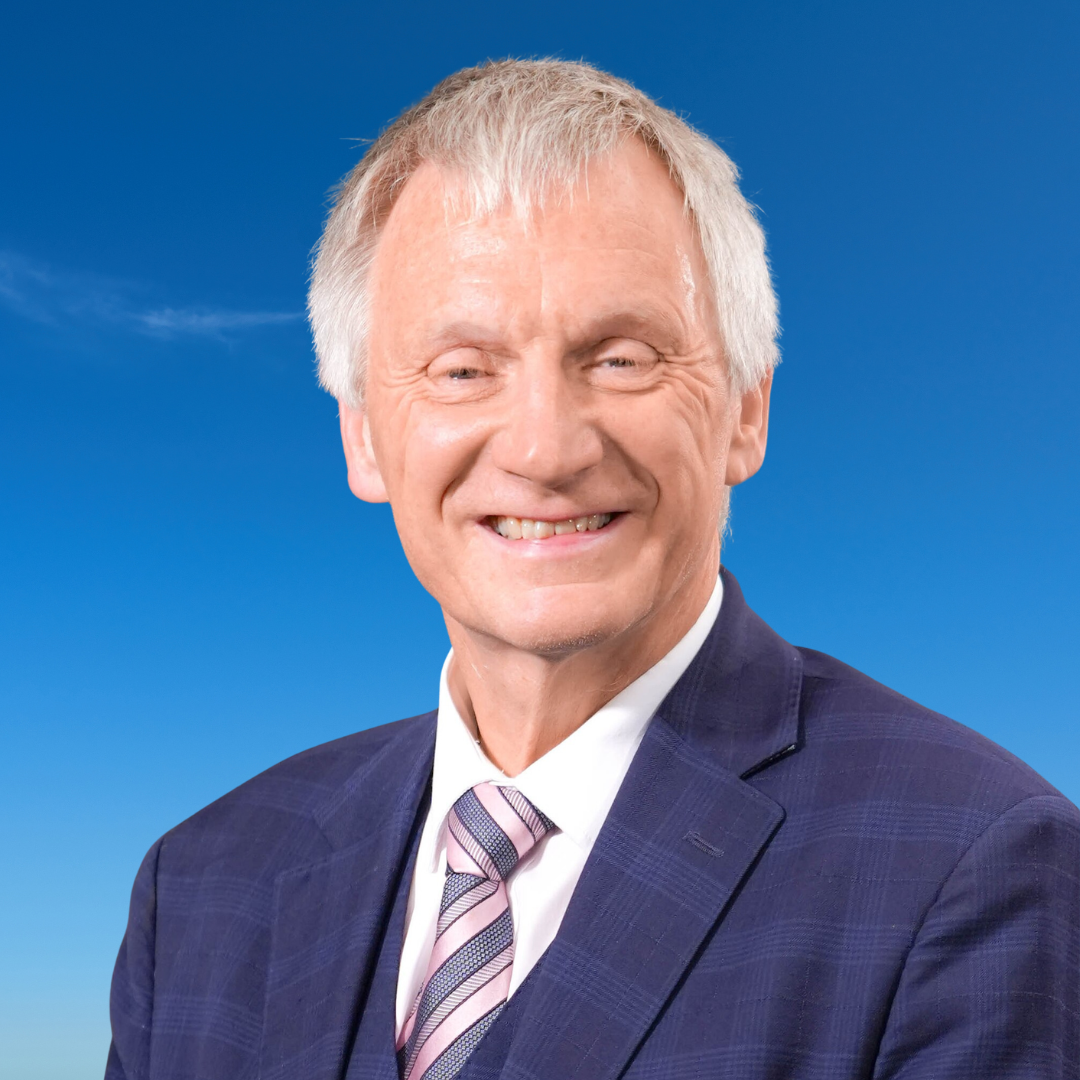
Ivan McKee MSP, Cabinet Secretary for Public Service Reform
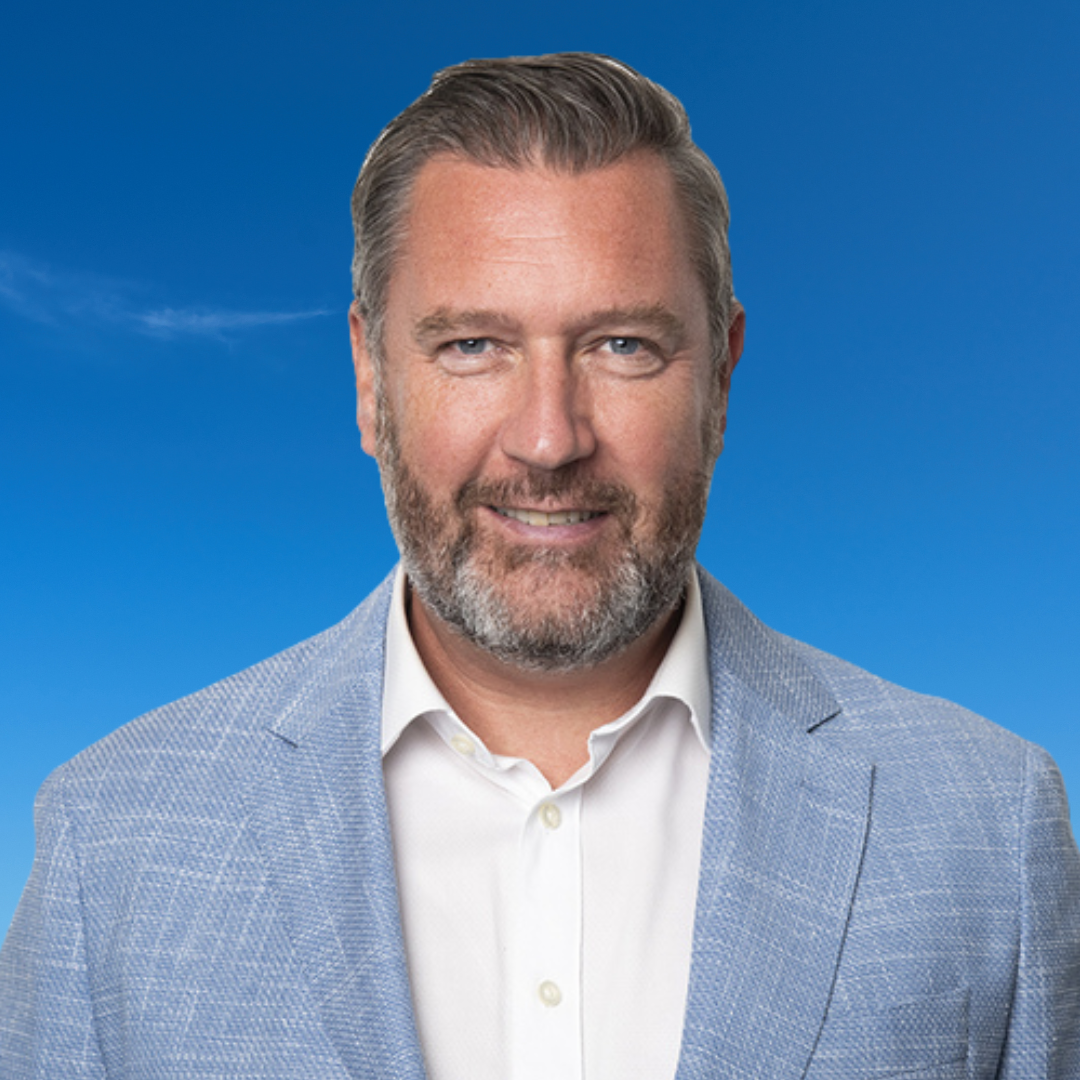
Barry McKeown, Head of Shoosmiths Glasgow Office
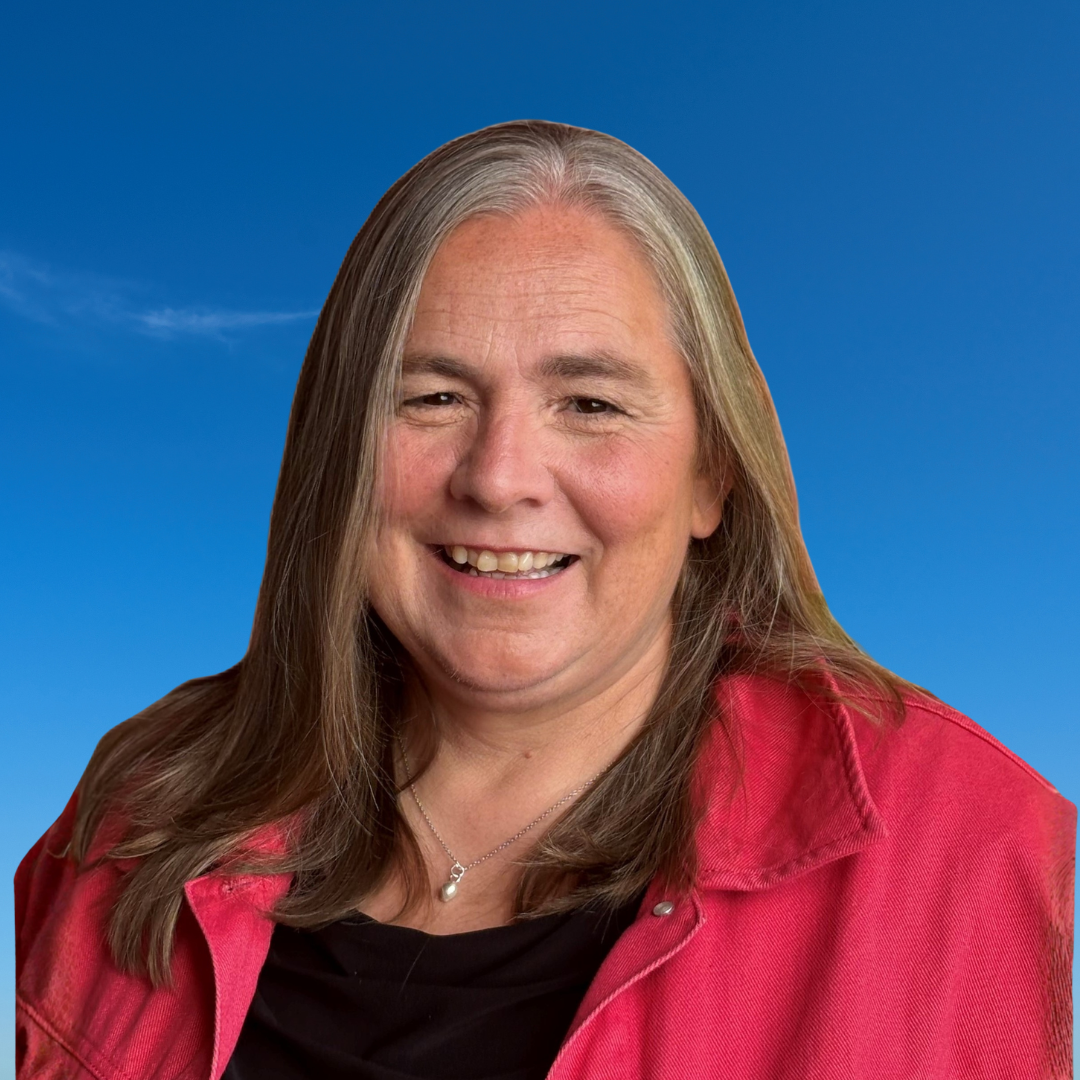
Carol Mochan MSP, Scottish Labour, South Scotland
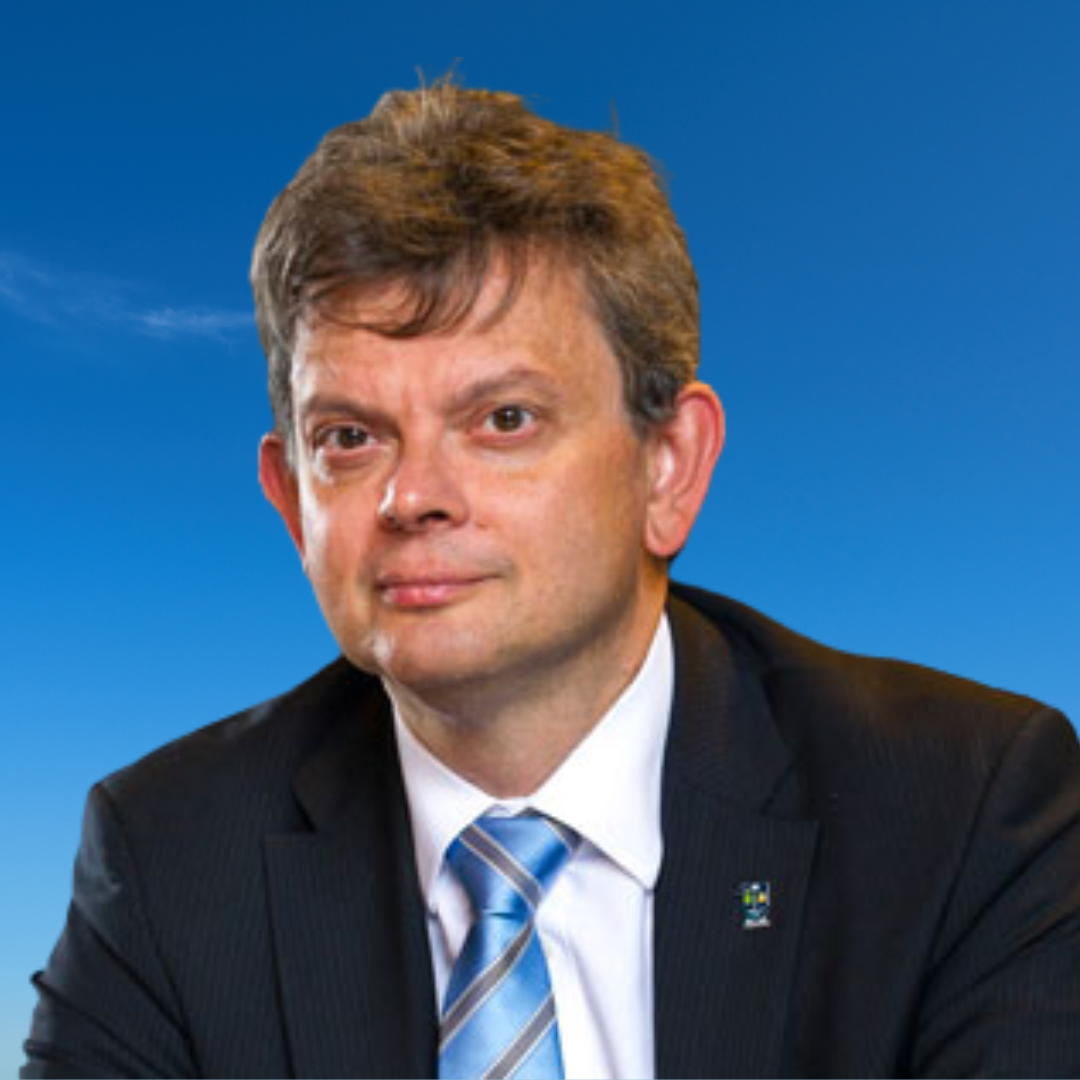
Professor Anton Muscatelli, President, Royal Society of Edinburgh
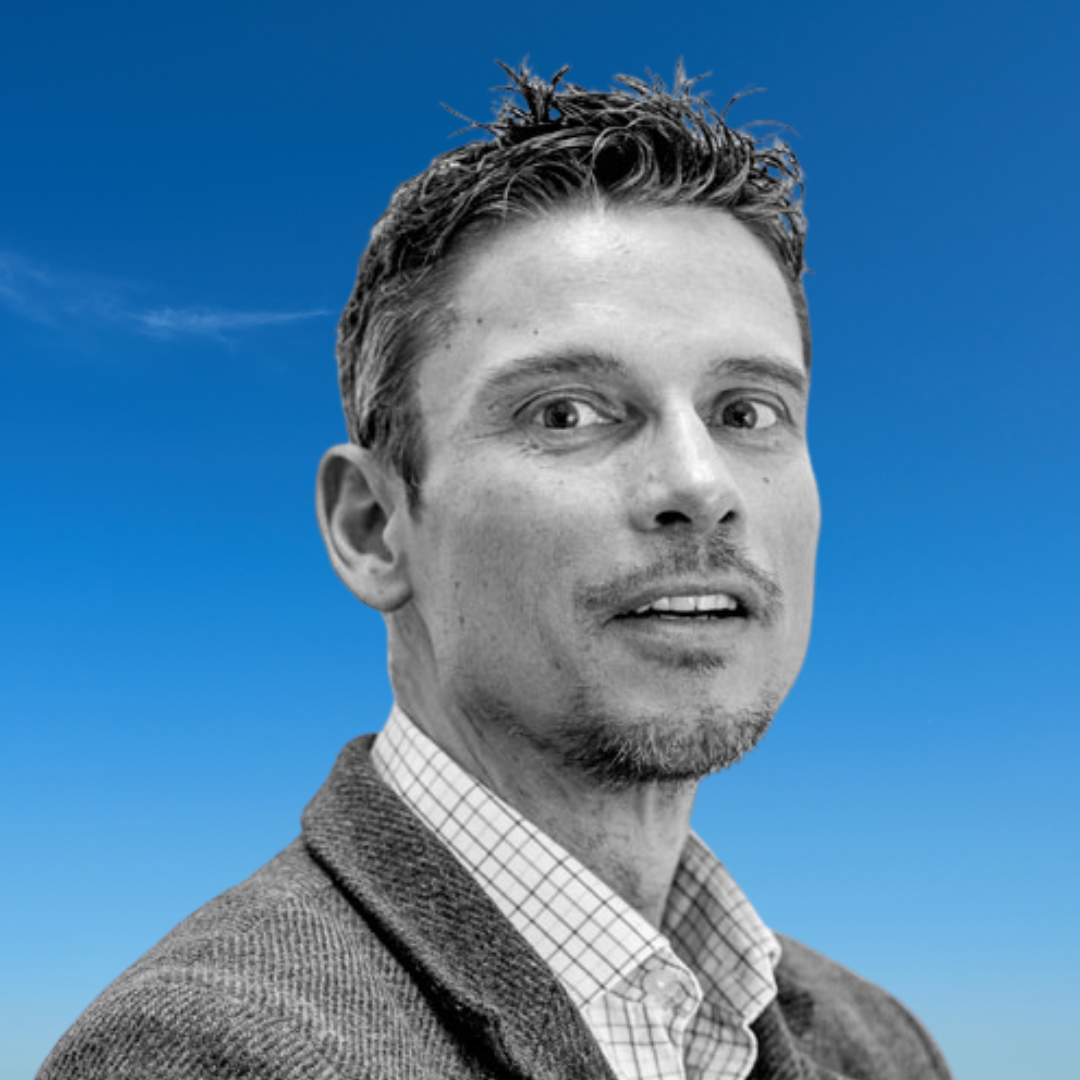
Alex Orr, Managing Director, Orbit Communications
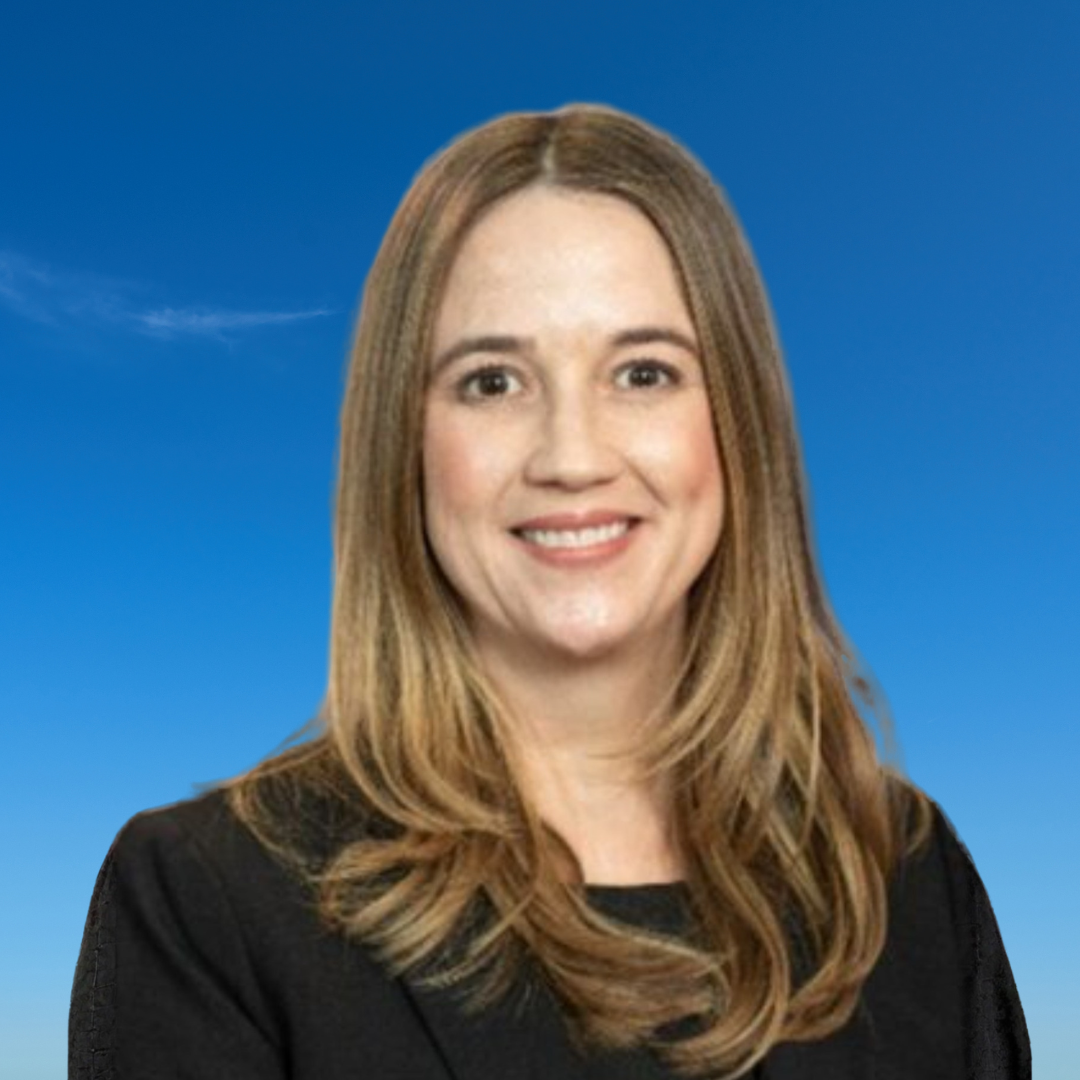
Kathryn Porter, U.S. Consul General in Edinburgh
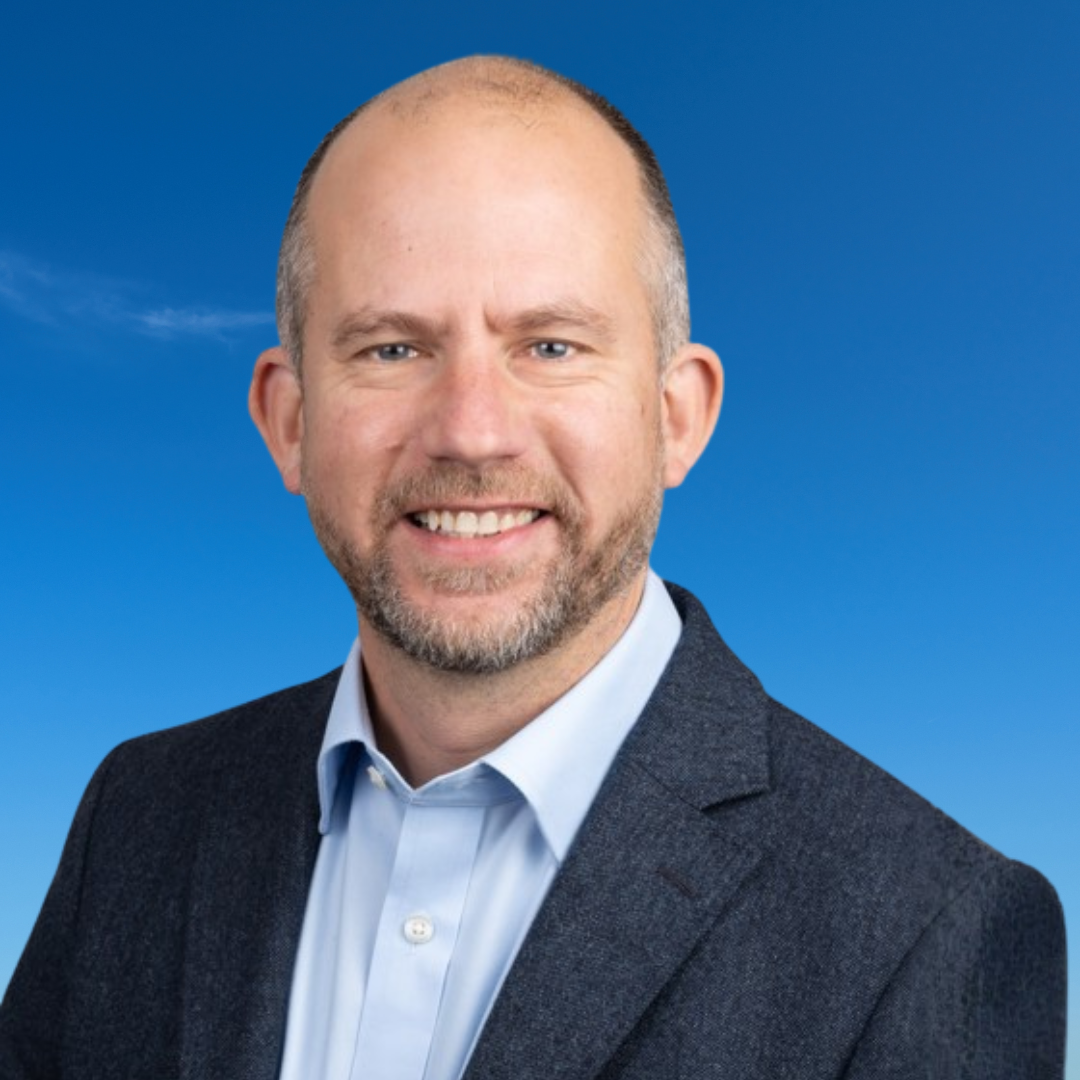
Andrew Roberts, Strategic Land Regional Director Scotland, Taylor Wimpey
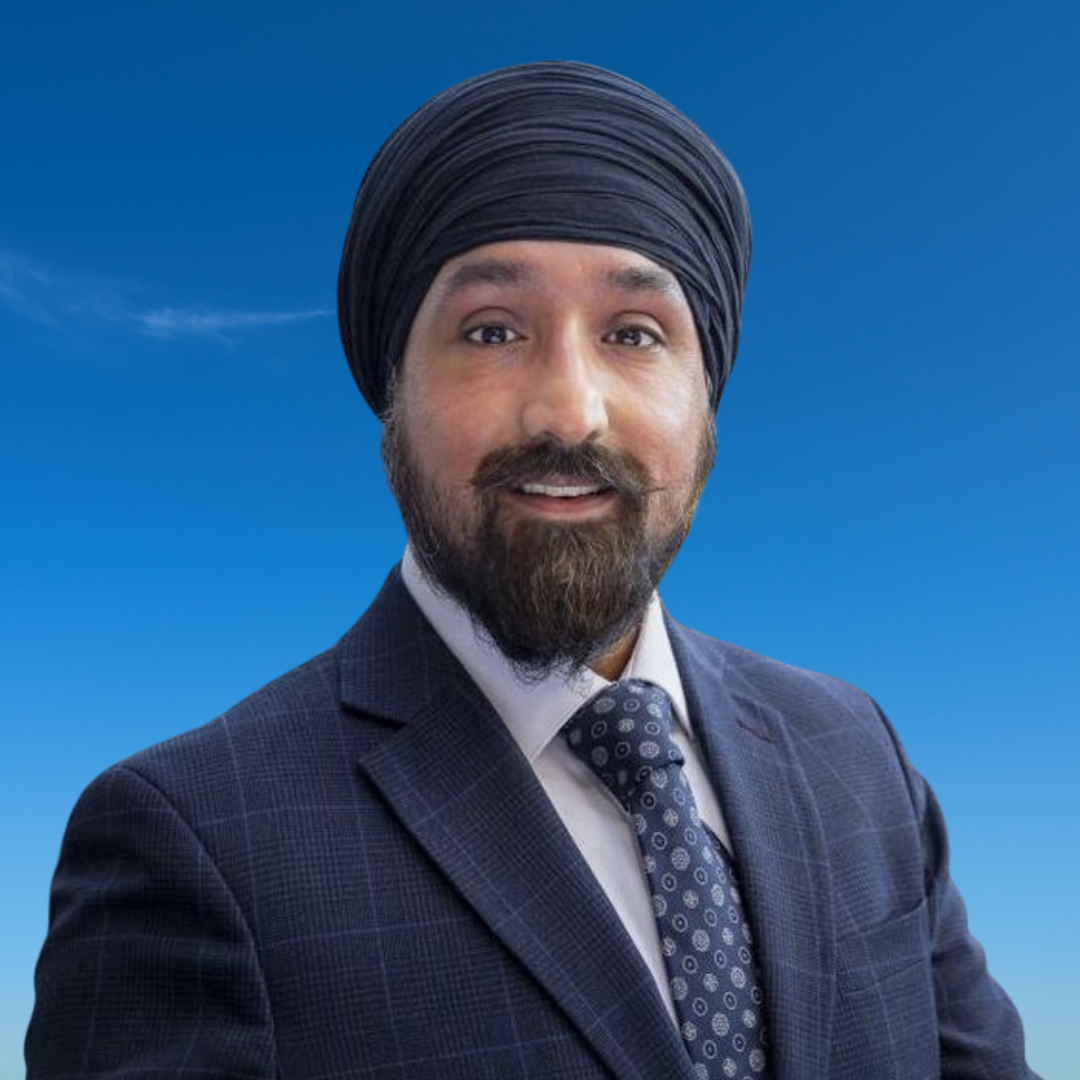
Charandeep Singh, CEO, Scottish Chambers of Commerce
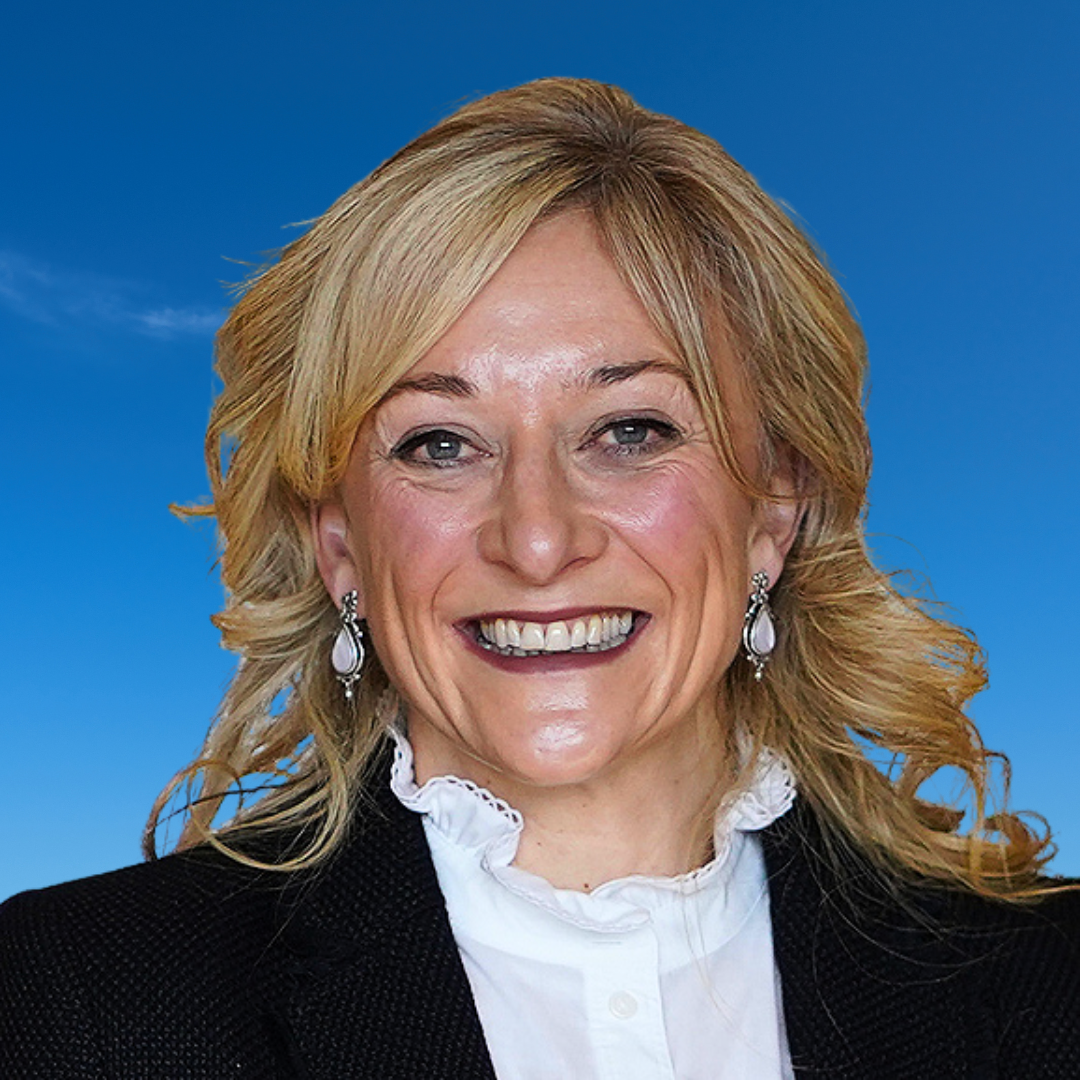
Lesley Smillie, Senior Partner and Government and Public Services Lead Scotland, Deloitte
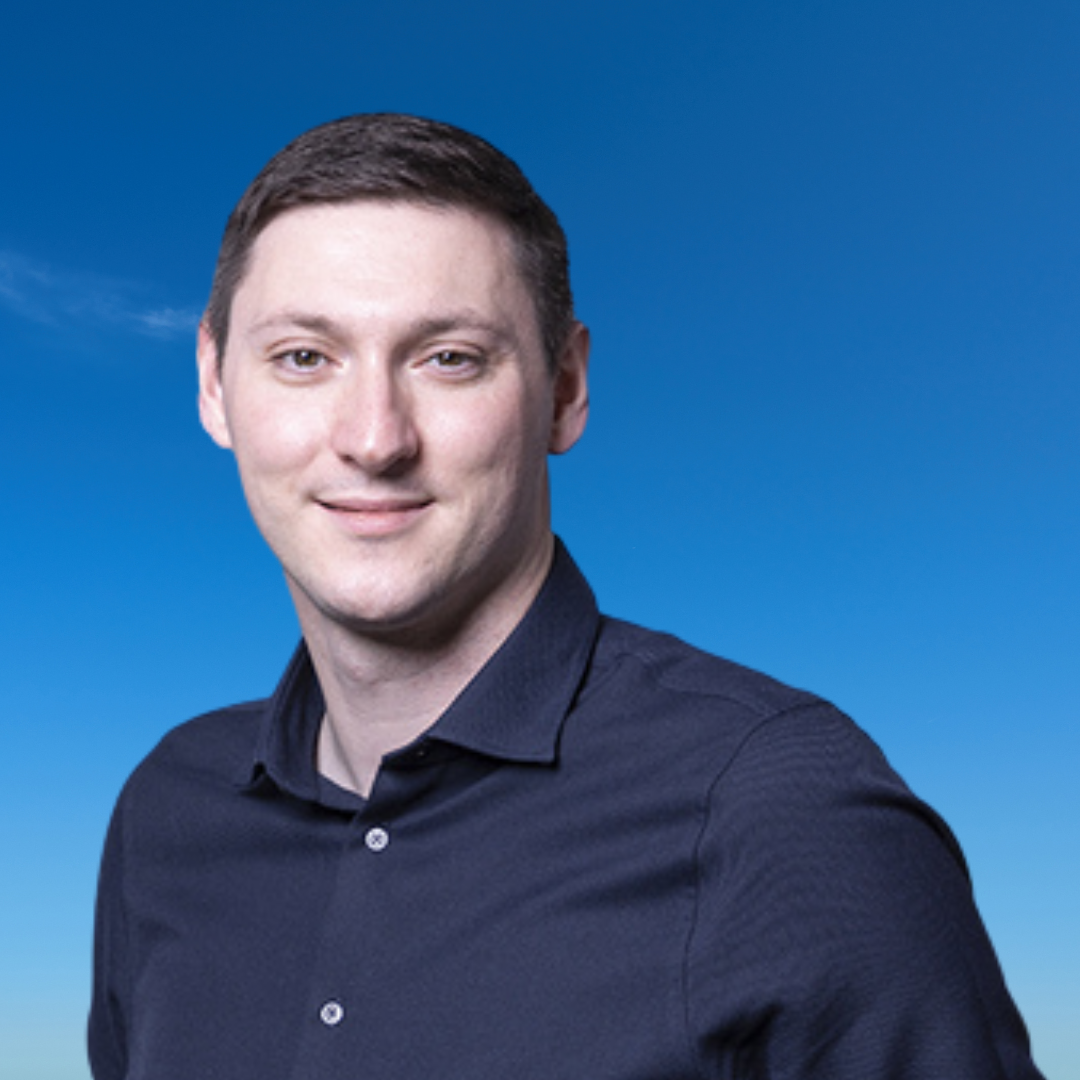
Steven Stewart, Head of Scottish Planning and Environmental team at Shoosmiths
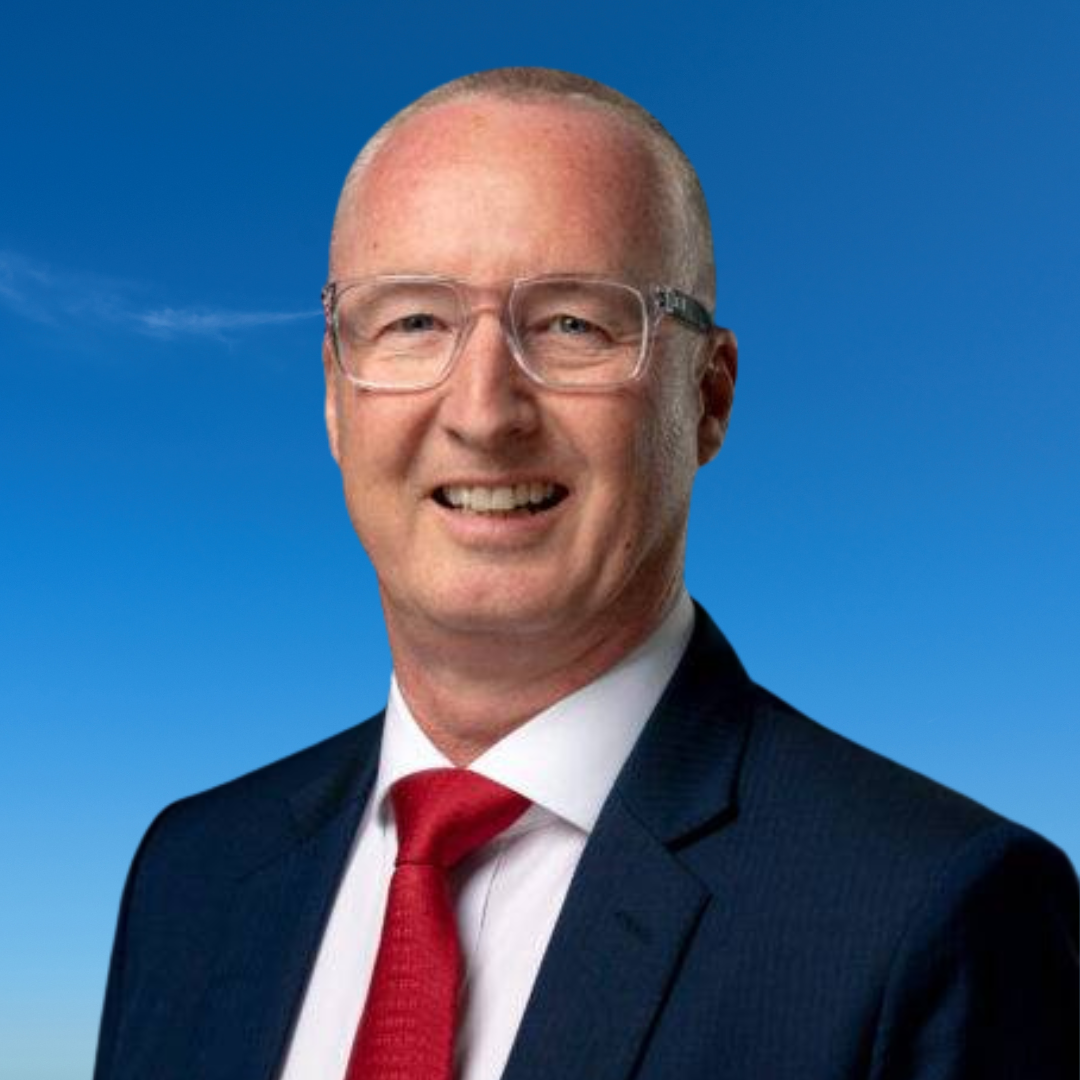
Stuart Wallace, CEO, Forth Ports
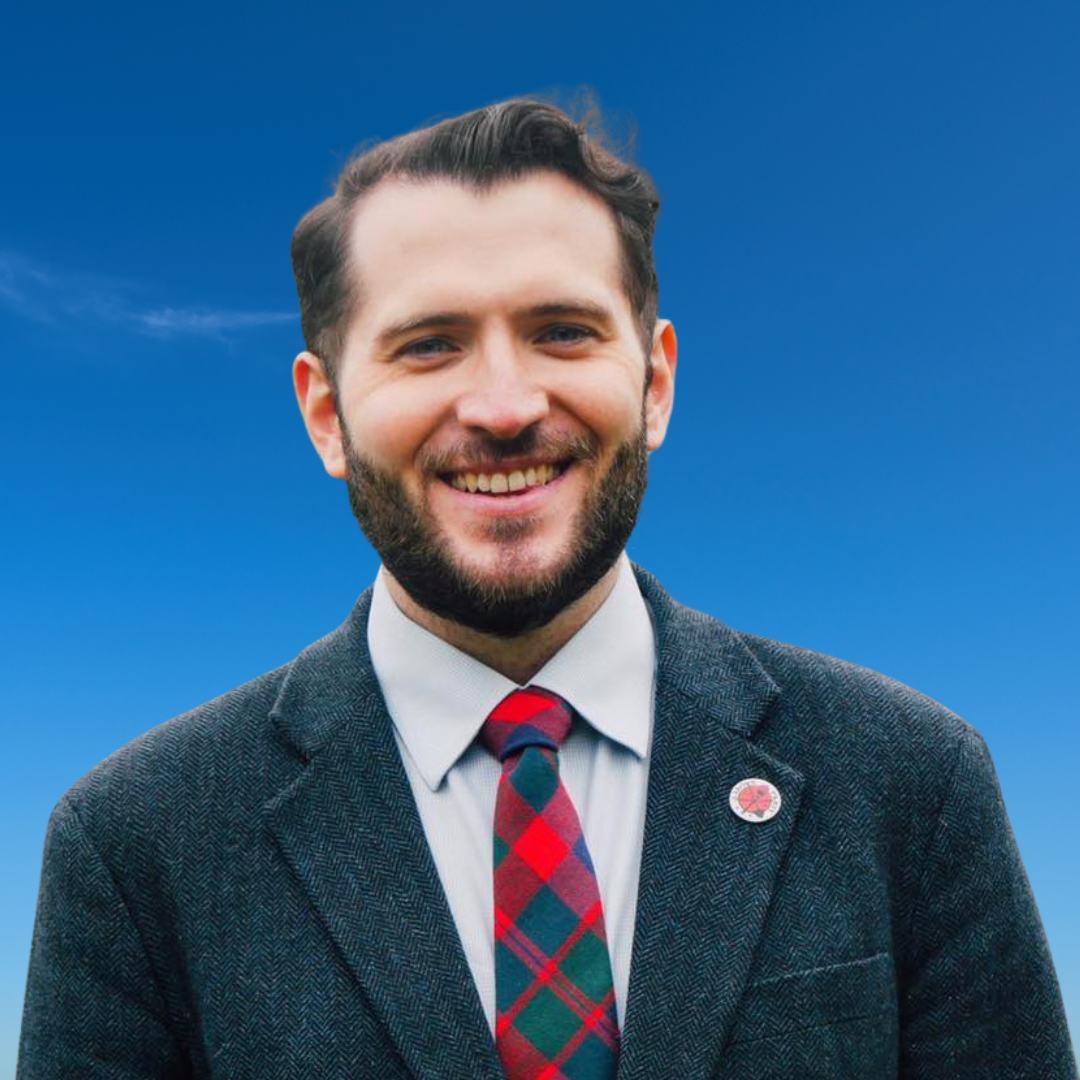
Paul Sweeney MSP, Scottish Labour Party, Glasgow
Five panels. Three keynotes. One shared question.
What does Scotland's future look like?
Keynotes
Lord Jack McConnell
First Minister of Scotland, 2001 to 2007
A frank assessment of where Scotland stands today, delivery failures, public mistrust, and a challenge to the room: set high aims, take a few risks, and bring people together. Scotland has the talent.
Alex Cole-Hamilton MSP
Leader, Scottish Liberal Democrats
A keynote challenging the culture of Scottish politics, warning against picking fights for the sake of it, and pointing to a 10% drop in voter turnout as a sign that trust is broken and urgently needs to be rebuilt.
Ivan McKee MSP
Cabinet Secretary for Public Service Reform
Public service reform is a process, not an event. With £1.5 billion in savings needed this Parliament, the focus must be on efficiency, better use of data, and reform driven by the workforce and community.
Panels
Energy and Connectivity
Scotland should be receiving free electricity, but unlocking surplus renewable energy requires bold infrastructure investment and a shift from short political cycles to 25-year planning horizons.
The Economy
With growth at just 0.1% in Q1 2026, Scotland needs a clear industrial strategy, structured funding for growth sectors, and a serious plan to keep young talent at home.
Political Trust
Public trust won't return through press releases. It requires delivery, genuine listening, and permanent conversation with communities, not just door-knocking at election time.
Scotland's Global Standing
The Scotland brand has never been stronger in the US, with 5.3 million Americans claiming Scottish heritage. But global standing must translate to local benefit, starting with housing and local services.
The Housing Crisis
The standard 16-week planning process takes 44 weeks in practice. The panel's call: treat the housing emergency the way we treated Covid, with urgency, cross-party agreement, and no more policy drift.
The conversation doesn't stop here.
The ideas sparked at the 2026 conference are already shaping what comes next. Scotland 2050 Conference 2027 takes place on Tuesday 8 June at the Assembly Rooms, Edinburgh. Sign up to be the first to hear about speakers, programme details and how to get involved.